
Last updated October 31, 2026
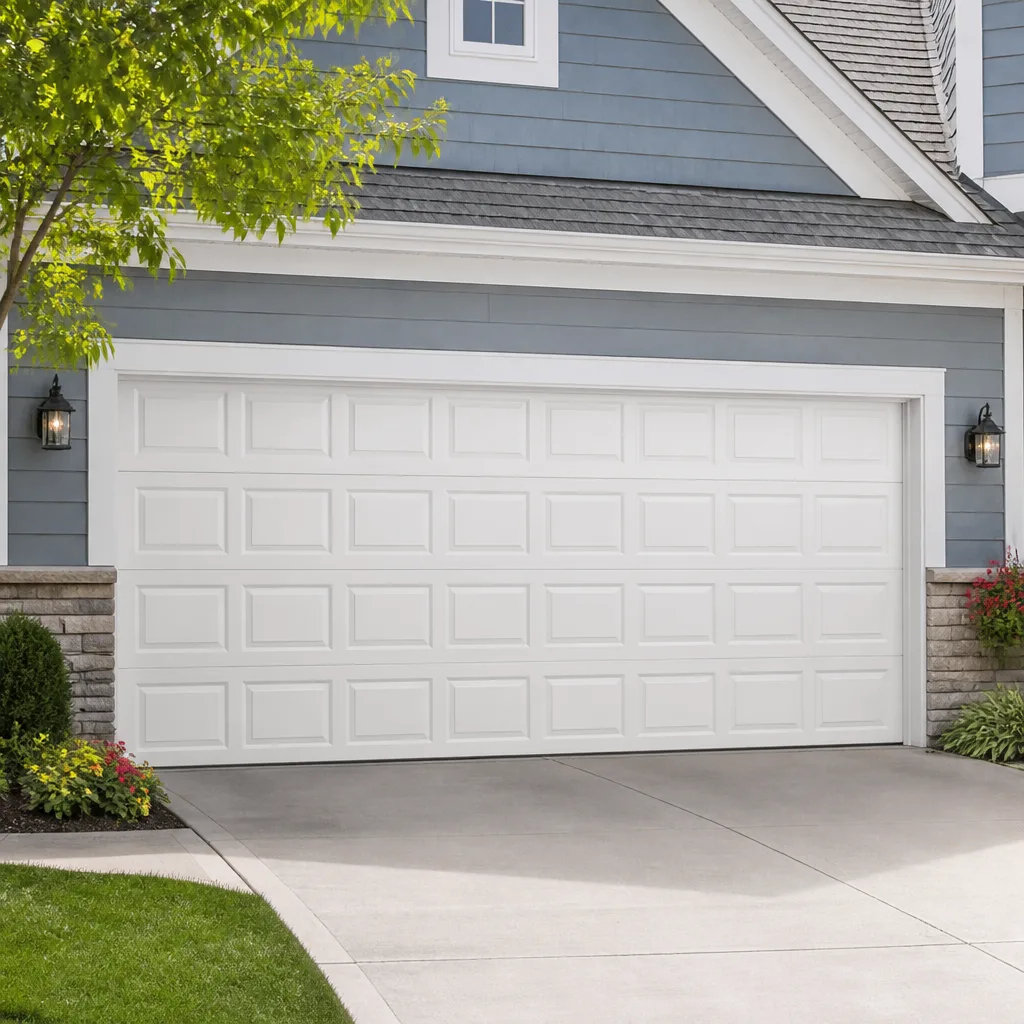 Raised-panel steel
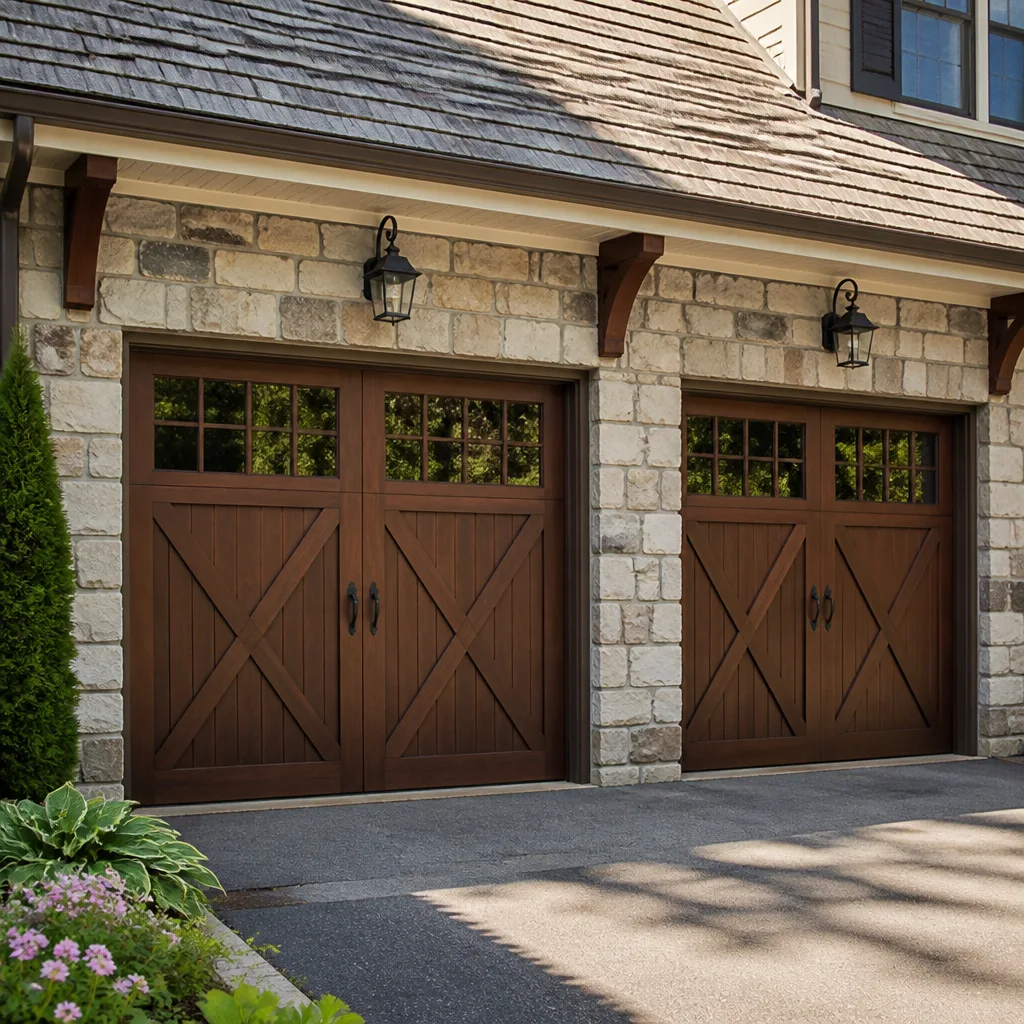 Carriage house
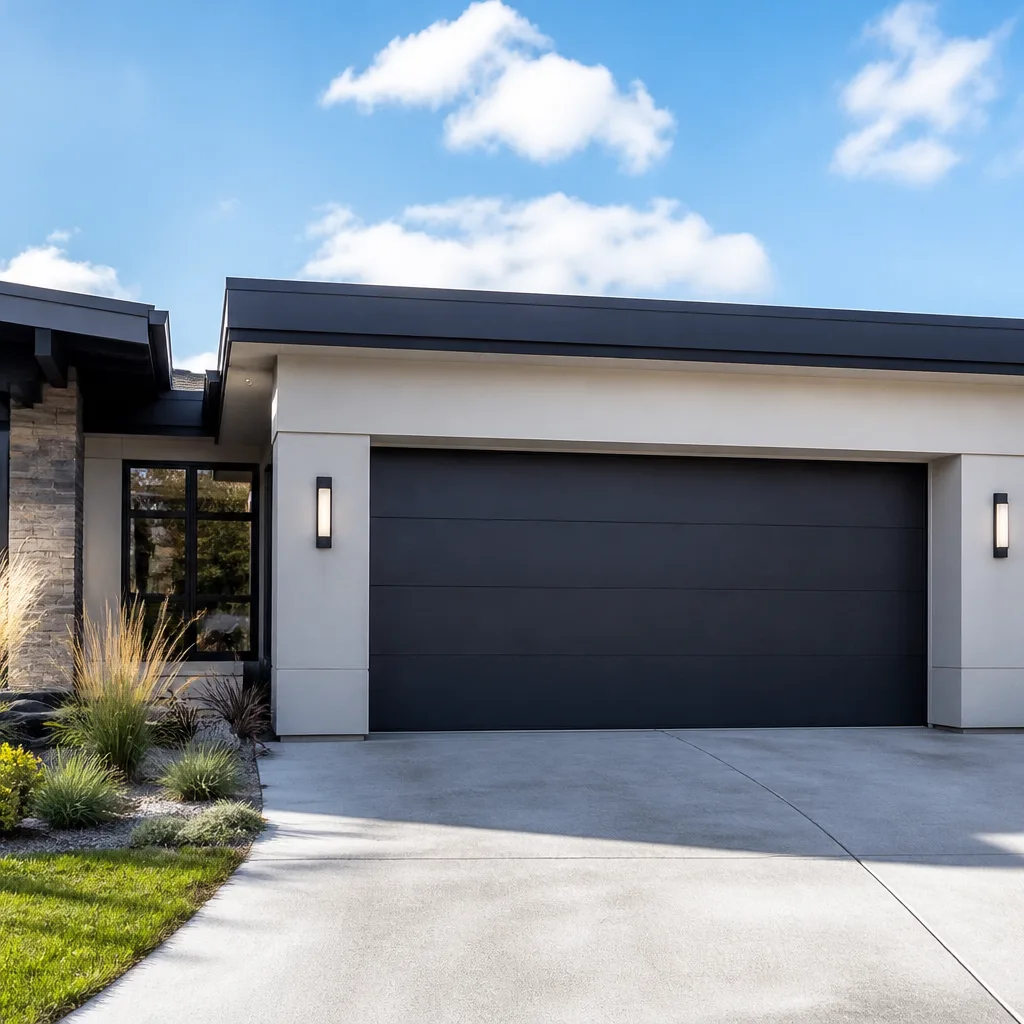 Modern flush
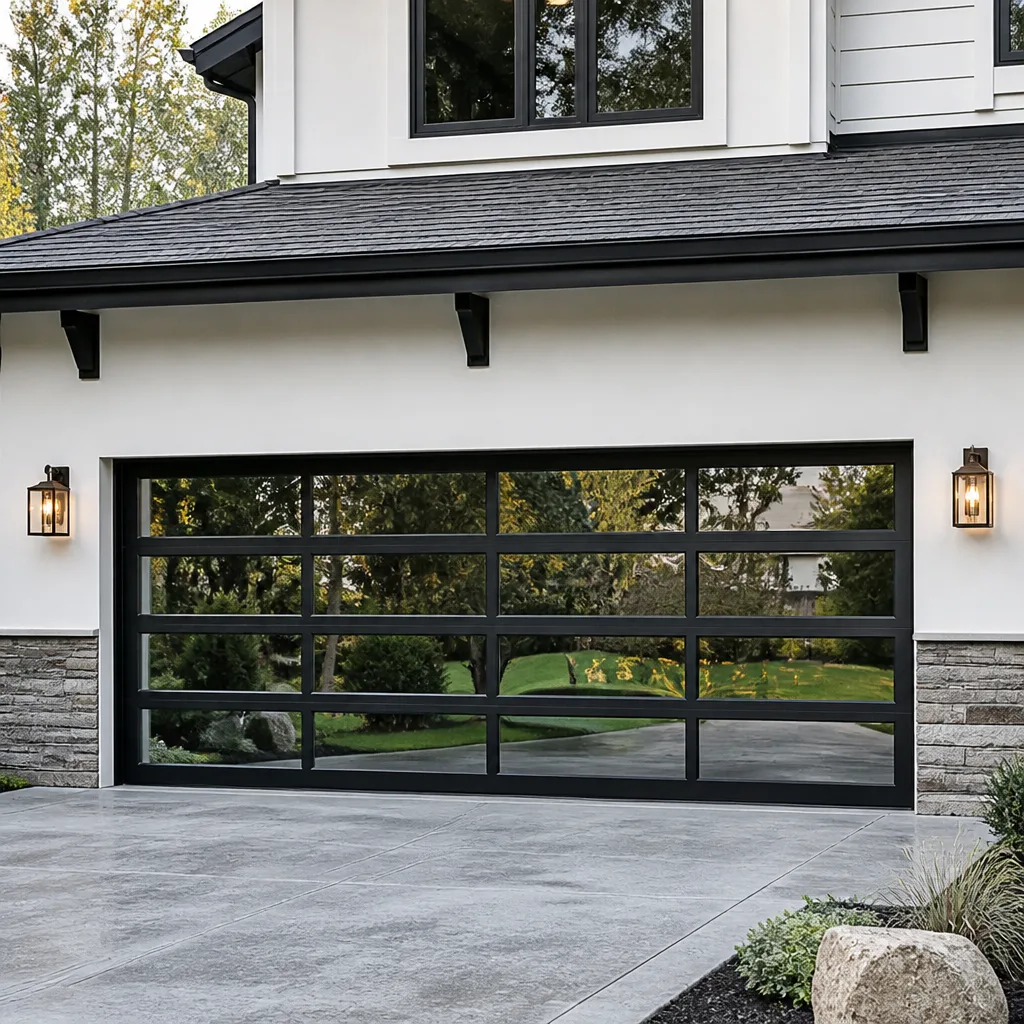 Full-view glass
 LiftMaster openers
 Chamberlain openers
Full 25-point door and opener safety check with every visit - springs, cables, rollers, tracks, and your LiftMaster or Chamberlain opener included
You get a price before we start. It does not change when the truck arrives.
Get your free estimateGarage Door Permits, Codes & Inspections in FL: What You Need to Know
Most Florida homeowners don’t think about permits until a problem shows up. Here’s the problem that’s showing up more and more: insurance companies are denying windstorm claims on homes where the garage door was installed without a permit. Not because the door failed. Because the paperwork trail doesn’t exist. In Fort Pierce, where hurricane straps and missile-impact ratings are part of daily vocabulary, that missing permit can cost you a five-figure claim payout. This guide walks through exactly when you need a permit, what Florida Product Approval means, how St. Lucie County inspections actually work, and what to do if you’re staring at an unpermitted door on a house you want to buy. For garage door warning signs every Fort Pierce homeowner should know, see our dedicated reference.
Styles & brands we work with
Quick Answer
In Florida, you generally need a permit when you replace an entire garage door or install a new opener, but not for minor repairs like spring replacement or panel alignment. The door you install must carry Florida Product Approval, and a county inspection verifies the installation meets wind load requirements. Skipping the permit means your homeowners insurance can deny a future windstorm claim.
Table of Contents
- When a Florida Permit Is Required for Garage Door Work
- What Florida Product Approval Means and How to Check It
- How the St. Lucie County Permit Process Works
- What the Inspector Actually Checks
- The Insurance Consequences of Unpermitted Garage Door Work
- Buying a Home With an Unpermitted Garage Door
- Florida Building Code Garage Door Requirements Explained
- Common Mistakes to Avoid
- When to Call a Professional
- Frequently Asked Questions
- The Bottom Line
When a Florida Permit Is Required for Garage Door Work
Florida’s building code doesn’t treat all garage door work the same. The permit threshold depends on what’s being done, and plenty of homeowners get tripped up assuming every repair needs paperwork or every repair is exempt.
Here’s the breakdown as it applies in St. Lucie County and most of Florida:
- Full door replacement: Permit required. When the entire door assembly comes out and a new one goes in, the county wants to verify the new door meets current wind load requirements for your specific location.
- New garage door opener installation: Permit required in most Florida jurisdictions. The permit covers the electrical connection and ensures the opener’s safety reversing mechanisms meet code. Even if you’re just swapping an old opener for a new one, the county typically wants a permit.
- Spring replacement: No permit required. This is a repair to existing components, not a modification to the door’s structural rating.
- Panel replacement or section repair: Generally no permit, as long as you’re not changing the door’s overall structure or wind load characteristics. If you’re replacing a single damaged panel on an existing permitted door, most inspectors consider this maintenance.
- Track realignment and roller replacement: No permit. Wear items and alignment work don’t alter the door’s rated performance.
- Adding reinforcement struts to an existing door: This one gets murky. Technically, reinforcing a door can change its wind load rating. In practice, St. Lucie County typically doesn’t require a permit for adding struts to an already-permitted door, but it’s worth a phone call to the building department before proceeding.
We’ve worked on doors in Fort Pierce on Hutchinson Island, in Lakewood Park, and throughout White City. The same rule set applies, but your exposure to wind is real on the barrier island. A door that’s rated for the mainland in Fort Pierce might be under-spec’d for a house on South Ocean Drive. The permit process exists to catch that.
What Florida Product Approval Means and How to Check It
Florida Product Approval, or FPA, is a state-level certification that a specific building product has been tested and approved for use in Florida’s high-wind environment. Every garage door sold and installed in Florida that’s intended for exterior use must have an FPA number. It’s the document that proves the door can handle the wind pressures calculated for your specific home’s location.
Without an FPA number, the building department won’t issue a permit. Period. And without a permit, you’re in the insurance danger zone we’ll get to shortly.
How to Look Up a Door’s Approval Number
- Go to the Florida Department of Financial Services Building Code Information System. Search for “FLDFS product approval” and open the online database.
- Enter the manufacturer name. Brands like Amarr, Wayne Dalton, and Raynor all have extensive Florida approval listings. You can also search by the FL approval number if you already have it.
- Look for your specific door model and size. The approval listings specify exact dimensions, wind load ratings, and installation requirements.
- Verify the approval is still active. Approvals can be revised or withdrawn. An expired approval means no permit.
- Print or save the approval document. The inspector will want to see it at the time of inspection, and your insurer may want it after a claim.
In our Fort Pierce shop, we keep the FPA documentation for every door we install. When an inspector shows up, showing them the approval sheet before they ask for it saves everyone time. When an adjuster comes after a storm, that same document is what keeps the claim moving.
How the St. Lucie County Permit Process Works
St. Lucie County operates its own building department, separate from the City of Fort Pierce. If you live inside city limits, the City of Fort Pierce Building Department handles your permit. If you’re in unincorporated St. Lucie County, county officials review your application. The process is similar in both, but the office you visit differs.
Here’s the typical sequence for a garage door replacement permit in either jurisdiction:
- Prepare the paperwork. You’ll need the FPA document for the door you’re installing, a site plan or survey showing where the garage sits on your property, and basic project details. Most contractors handle this entirely.
- Submit the application. Both jurisdictions accept online submissions. Fees are typically based on the project valuation. For a garage door replacement, you’re usually looking at a permit fee in the low hundreds, not thousands.
- Wait for review. A simple door swap might get approved in a week or two. Door plus opener work can add a few days while the electrical review happens.
- Install the door. The permit is issued before work begins. Installation happens after approval, not before.
- Schedule the inspection. Once the door is in, call the building department to schedule the final inspection. St. Lucie County typically schedules inspections within 24 to 48 hours of the request.
- Pass the inspection. The inspector signs off, and the permit is closed out. That closed permit is your permanent record.
One thing we tell Fort Pierce homeowners: don’t fall for the “we’ll pull the permit after” pitch. The permit needs to exist before the first screw comes out of the old door. Contractors who install first and permit later are creating exactly the kind of documentation gap that becomes a problem later.
What the Inspector Actually Checks
When the St. Lucie County inspector shows up at a Fort Pierce home after a garage door installation, they’re not doing a cosmetic review. The inspection is functional and safety-focused, and it takes about 15 to 20 minutes.
The inspector runs through a checklist that includes:
- Wind load compliance: The installed door matches the approved product. Same model, same size, same reinforcement configuration. If the FPA called for struts and the door doesn’t have them, the inspection fails.
- Proper anchoring: The door’s track and mounting hardware are secured to the structure in the pattern specified by the manufacturer and the FPA. Lag screws, anchor bolts, and attachment points all get checked.
- Safety reversing mechanism on the opener: The inspector will test that the opener reverses when it hits resistance. This is a two-by-four test in some jurisdictions. If the door doesn’t reverse within two seconds of striking an obstruction, it fails.
- Photoelectric sensors: The safety eyes at the bottom of the track must be installed no higher than six inches off the floor and must stop the door’s descent when the beam is broken.
- Manual release function: The emergency release must work correctly, allowing the door to be opened manually during a power outage. This matters in hurricane country.
- Electrical work: If a new opener was installed, the inspector verifies the electrical connection is properly grounded, on a dedicated circuit where required, and the wiring is secured.
Failed inspections are usually about small things covered in our Garage Door Repair Troubleshooting guide: sensors mounted too high, a missing strut, an opener’s sensitivity set too hard. The fix usually takes minutes, not days. But you pay a re-inspection fee, and you lose time. Getting the details right on install day avoids the second visit entirely.
The Insurance Consequences of Unpermitted Garage Door Work
This is the section that makes mortgage brokers nervous. Florida insurers are now routinely checking permit records after windstorm claims. Here’s what that looks like in practice:
After a hurricane or severe storm, an adjuster examines the damage. If the garage door failed, they pull the home’s permit history. If they find a door was replaced three years ago without a permit, the adjuster flags it. The insurer then argues that unpermitted work contributed to the failure, and under the terms of most Florida homeowners policies, damage resulting from unpermitted work is excluded from coverage.
We’ve talked to Fort Pierce homeowners in Lakewood Park and Indian River Estates who lost tens of thousands of dollars because a previous owner or a handyman replaced a door on the cheap and skipped the permit. The door itself might have been perfectly adequate. But the missing paperwork gave the insurer a reason to deny, and the homeowner had no leverage.
The math is straightforward: a garage door permit in St. Lucie County costs a few hundred dollars. A denied windstorm claim for a blown-out garage door can run $15,000 to $30,000 when you factor in the door itself, interior water damage, and personal property. The permit is the cheapest insurance you’ll ever buy.
Some homeowners try to get a retroactive permit after the fact. It’s possible in some cases, but it usually requires bringing the door up to current code, which might mean replacing a door that was perfectly functional because it doesn’t meet today’s wind rating for its location. It’s far cheaper and easier to do it right the first time.
Buying a Home With an Unpermitted Garage Door
This scenario comes up more often than you’d think in the Fort Pierce market. A buyer is under contract on a home, the inspection goes fine, but the title search or seller disclosure reveals the garage door was replaced at some point without a permit on file. Now what?
You have a few options, and none of them should mean walking away from a good house.
Option 1: Ask the Seller to Obtain a Retroactive Permit
This is the cleanest solution. The seller hires a contractor who pulls a permit for the existing door, bringing the installation up to code if needed. The county inspects it, issues the closed permit, and the title is clean. If the existing door has a valid FPA number and the installation is sound, this can be resolved in a few weeks.
Option 2: Negotiate a Credit and Handle It After Closing
If the seller needs to close quickly, the buyer can accept a credit at closing to cover the cost of retroactive permitting. The buyer then pulls the permit after ownership transfers. This works, but the buyer takes on the risk that the door needs work to pass inspection. Before accepting a credit, know what the worst case costs: a full door replacement to meet current code.
Option 3: Require Replacement as a Condition of Sale
If the existing door is old enough that catching up on permits means replacing it anyway, the buyer can make replacement a condition of sale. The seller has the new permitted door installed before closing.
What Not to Do
Don’t let the issue slide because the deal is moving fast. The unpermitted door becomes your problem at closing. When you go to sell in five years, the next buyer’s title search finds the same gap. And if a storm hits in the meantime, your insurer has the exact documentation gap they need to deny a claim.
For any of these options, you need a contractor who understands the St. Lucie County process and can pull the FPA documentation for the existing door. That’s routine work for anyone who does garage door installation in Port Saint John and surrounding cities.
Florida Building Code Garage Door Requirements Explained
Florida’s building code treats garage doors differently from other exterior doors because of their size. A double garage door can span 16 feet or more, which means it catches a lot of wind. When a garage door fails during a hurricane, the entire garage pressurizes, often blowing the roof structure apart from the inside.
The code provisions that matter for Fort Pierce homeowners:
- Wind load design: Every garage door must be designed and tested for the wind speed zone where it is installed. Fort Pierce sits in a high-velocity wind zone. Doors installed here must withstand design wind pressures significantly higher than what a door in Orlando or Gainesville needs.
- Missile impact rating: In the wind-borne debris region, which includes Fort Pierce, garage doors must pass large-missile impact testing. That means the door can take a direct hit from a 2×4 traveling at hurricane speed without breaching.
- Reinforcement requirements: Depending on the door’s width, height, and design pressure rating, reinforcement struts may be required. The FPA document specifies exactly where struts must be installed for each approved configuration.
- Anchoring: Track brackets, jambs, and header attachment points must be fastened to the structure using the pattern and fastener type specified in the product approval. This is not a “use whatever screws you have” situation.
- Opener safety features: Every opener installed in Florida must include an automatic reversing mechanism and photoelectric sensors. The code specifies sensor height and reversal sensitivity standards.
What this means practically: you cannot pull a garage door out of a warehouse, install it, and call it done in Florida. The door has to be approved for your specific wind zone, and the installation has to match the approved configuration exactly. If the FPA says the door needs two struts, you install two struts.
This is where the brand coverage matters. We work with doors from Amarr, Wayne Dalton, and Raynor that carry current Florida Product Approvals across the size range most common in St. Lucie County homes. The approval number gets pulled at the start of the job and presented at the end alongside the installation.
Common Mistakes to Avoid
- Assuming all repairs need a permit. Replacing a broken spring or adjusting the track doesn’t need county paperwork. Applying for a permit on a repair is wasted time and money. The threshold is replacement and structural work, not maintenance.
- Assuming replacement doesn’t need a permit. The opposite mistake is far more expensive. A handyman quotes you $900 for a new door with no mention of permits. The install happens. Five years later a storm rips the door off and the insurer denies the claim because there’s no permit on file. The $400 you saved just cost you $20,000.
- Buying a door online without checking the FPA. A door that’s cheap to ship may not have a current Florida Product Approval. If the approval is expired or missing, the county won’t issue a permit, and you own a door you can’t legally install. Checking the FPA takes five minutes on the FLDFS database.
- Skipping the inspection even when you have a permit. An open permit that was never finalized looks almost as bad as no permit to an insurance adjuster. The installation has to be inspected and signed off. A permit without a closed inspection is a documentation gap.
- Letting the contractor choose documentation shortcuts. “We’ll file the permit next week” is how unpermitted installations happen. If the permit isn’t pulled before the work starts, it often never gets pulled at all, especially if the contractor is a cash operation without a local office.
- Ignoring the wind zone for your specific address. Fort Pierce spans multiple wind exposure categories. A door that’s fine on a protected street off Orange Avenue might be under-spec’d on a canal-front lot in South Beach. The permit application evaluates the door for your exact address, not for Fort Pierce generally.
- Replacing a door on a home that’s part of an HOA without checking the rules first. Many Fort Pierce communities with HOAs have architectural review requirements on top of county permits. Neither process replaces the other. Missing the HOA review can mean a demand to replace a brand-new door.
When to Call a Professional
Some garage door work is genuinely DIY-friendly, as outlined in our Garage Door Repair Maintenance Checklist for Fort Pierce Homeowners: lubricating hinges, tightening a loose handle, replacing a frayed weather seal. But any work that touches the door’s structural integrity, wind rating, or electrical systems belongs in the hands of someone who does this every day.
You should call a professional when you’re replacing the entire door, installing a new opener, or considering a retrofit to improve wind resistance. The permit process requires documentation that most homeowners don’t have ready access to, and the inspection has failure points that are easy to miss if you’re learning as you go. A spring replacement is also professional territory. The tension in a wound torsion spring can cause serious injury if released improperly. Don’t attempt it.
Palmetto Garage Door Service offers free estimates in Fort Pierce. Call (877) 265-2128 and we’ll walk through what your project needs, including the permit requirements for your specific address.
Frequently Asked Questions
In St. Lucie County and the City of Fort Pierce, a garage door replacement permit typically costs between $100 and $400 depending on project valuation. Opener installation permits are usually at the lower end of that range. The exact fee is calculated at the time of application, and it’s a flat, non-negotiable government fee. Call (877) 265-2128 if you want us to confirm current fee schedules for your project.
You cannot legally install a replacement garage door in Florida without a permit, even if you own the home and do the work yourself. Florida allows owner-builder permits, meaning you can act as your own contractor and pull the permit in your name, but the permit itself is still required. The installed door still must carry FPA and pass inspection.
At minimum, you’ll be required to disclose the unpermitted work on the seller’s property disclosure. Failure to disclose opens you to legal liability after closing. In practice, most buyers will request either a retroactive permit, a price reduction, or replacement before closing. The issue gets resolved, but usually on the seller’s dime and under time pressure.
Yes, installing a new garage door opener requires a permit in St. Lucie County and most Florida jurisdictions. The permit covers the electrical work and ensures the opener’s safety reversing systems are tested. Replacing a broken opener with the same model still triggers the permit requirement. Routine opener repair, like a gear replacement or sensor realignment, does not.
A straightforward garage door replacement permit in St. Lucie County typically takes one to two weeks for review and approval. After installation, inspections are usually scheduled within one to two business days. The full process from application to closed permit commonly runs three to four weeks when everything goes smoothly.
Yes, in most cases. The process involves documenting the existing door, verifying it has a current FPA number, and bringing the installation up to current code if needed. If the door is old enough that it no longer meets current wind load requirements for its location, a retroactive permit may require replacement. A retrofit inspection determines what’s possible. Call (877) 265-2128 for an evaluation of your specific door.
The Bottom Line
Garage door permits in Florida are not optional paperwork. They are the documentation that proves your door was installed to meet the wind load requirements for your specific address, and that documentation is what your insurance company expects after a storm. Skipping the permit saves a few hundred dollars upfront and exposes you to a five-figure claim denial later. The process in St. Lucie County is straightforward: verify the FPA, pull the permit, install correctly, pass the inspection, keep the records. For Fort Pierce homeowners, doing it right is cheaper than doing it over. Explore more guides & resources from our team.
Need a door that’s approved for Florida’s wind zone and installed with the paperwork done properly? Palmetto Garage Door Service home handles the full process from permit to final inspection. If your opener is giving you trouble, see our Garage Door Opener Repair in Port Saint John coverage. For urgent issues with the door itself, our Garage Door Repair in Port Saint John page covers what to expect. Call (877) 265-2128 for a free estimate, and we’ll confirm exact permit requirements for your address before any work begins.
Written by the team at Palmetto Garage Door Service, serving Fort Pierce since 2018.
See the difference
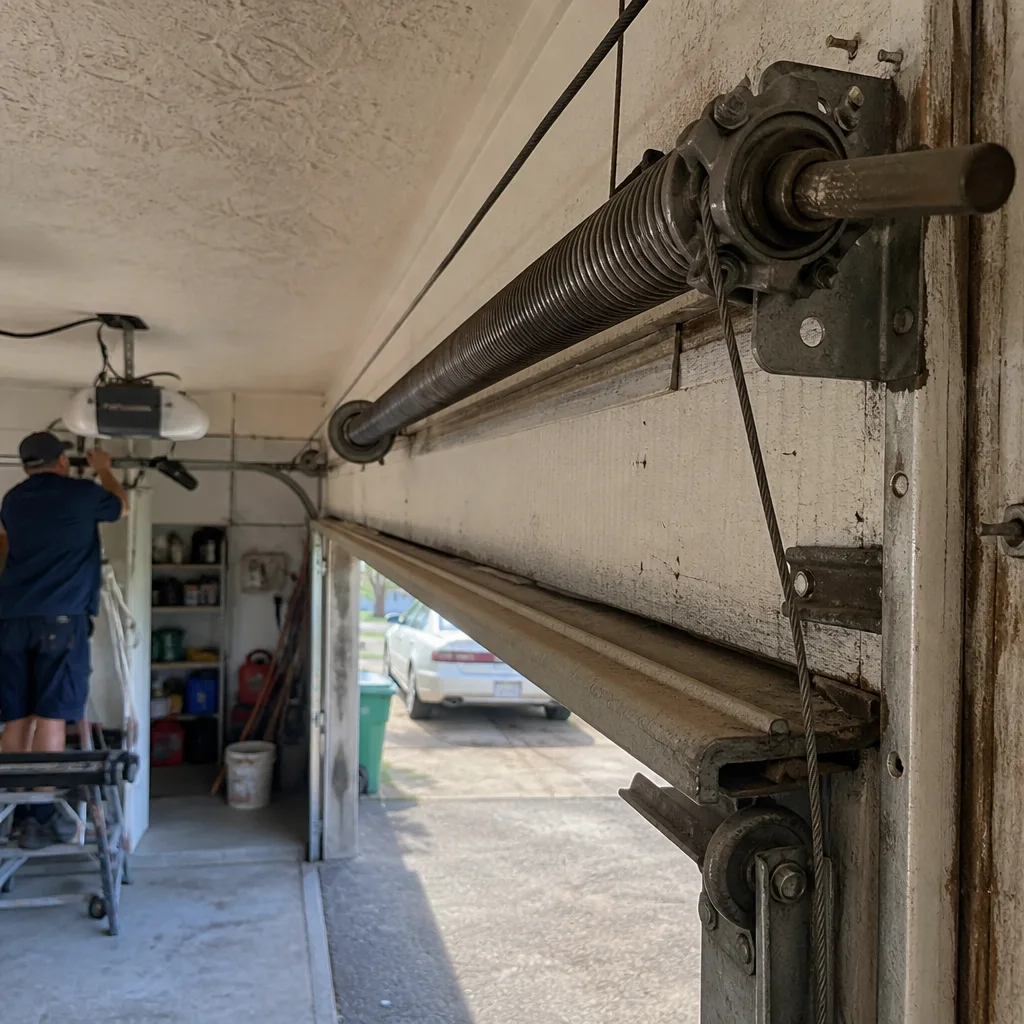 Before
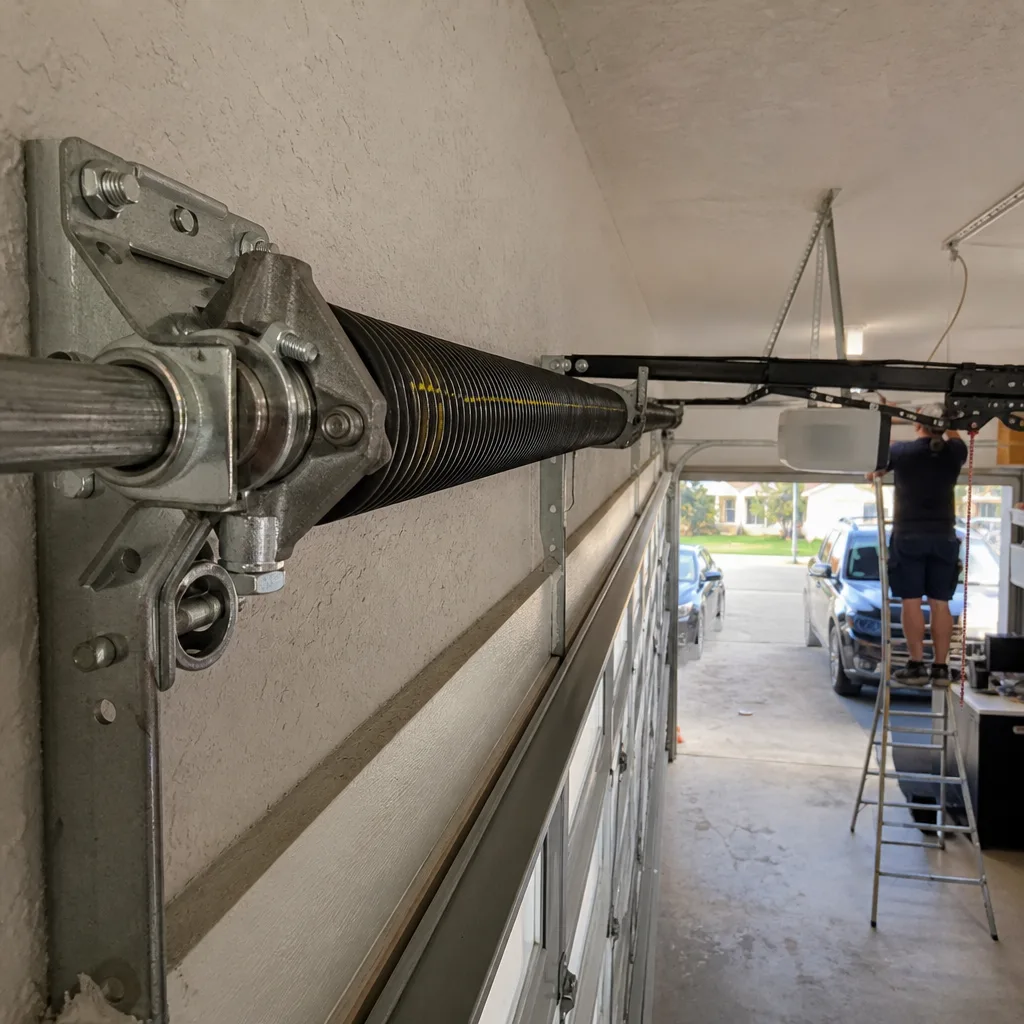 After
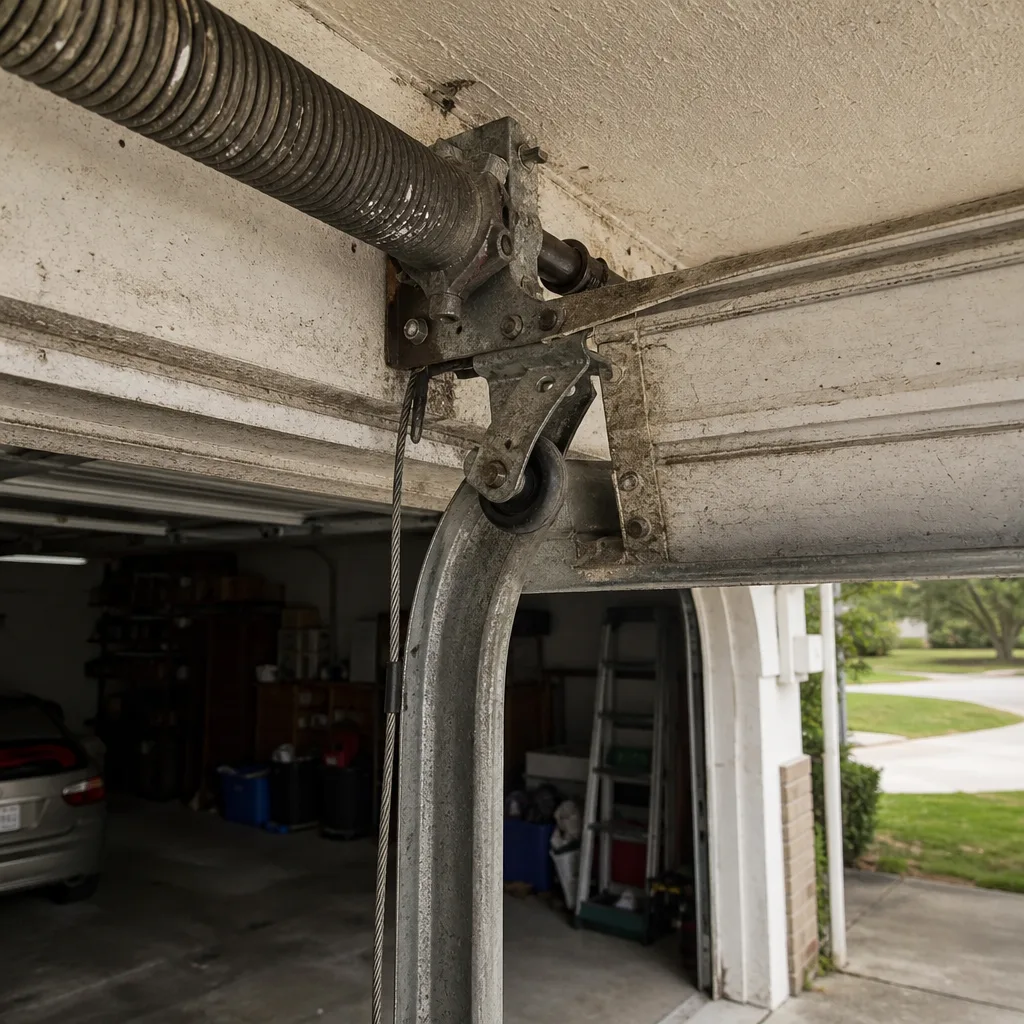 Before
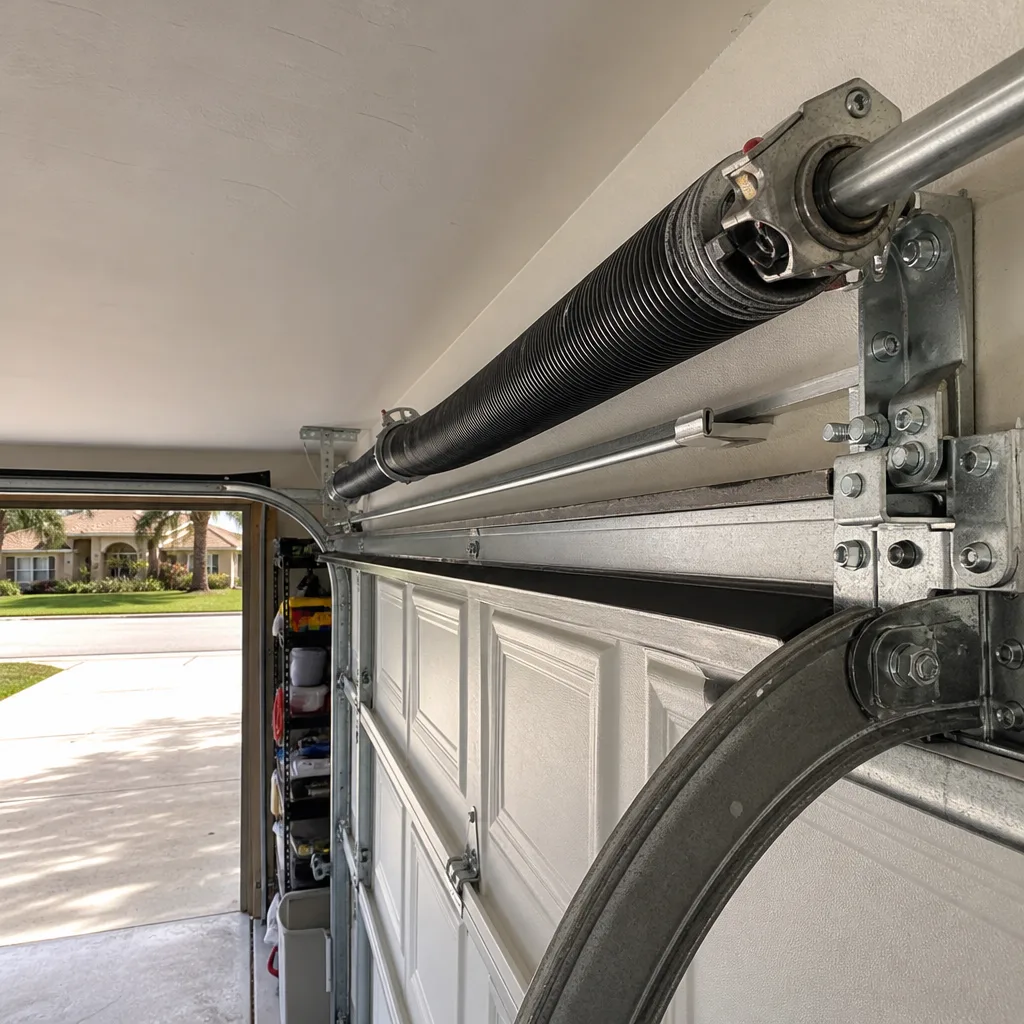 After
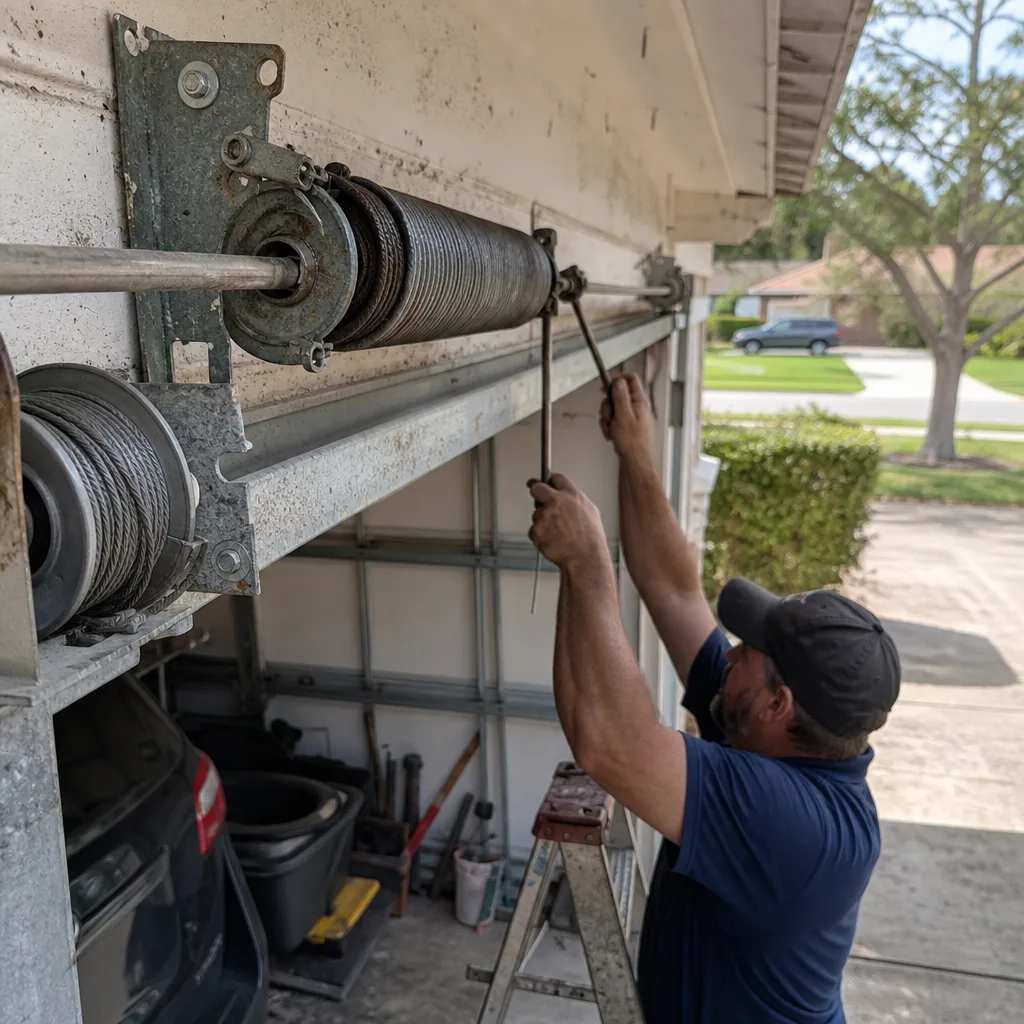 Before
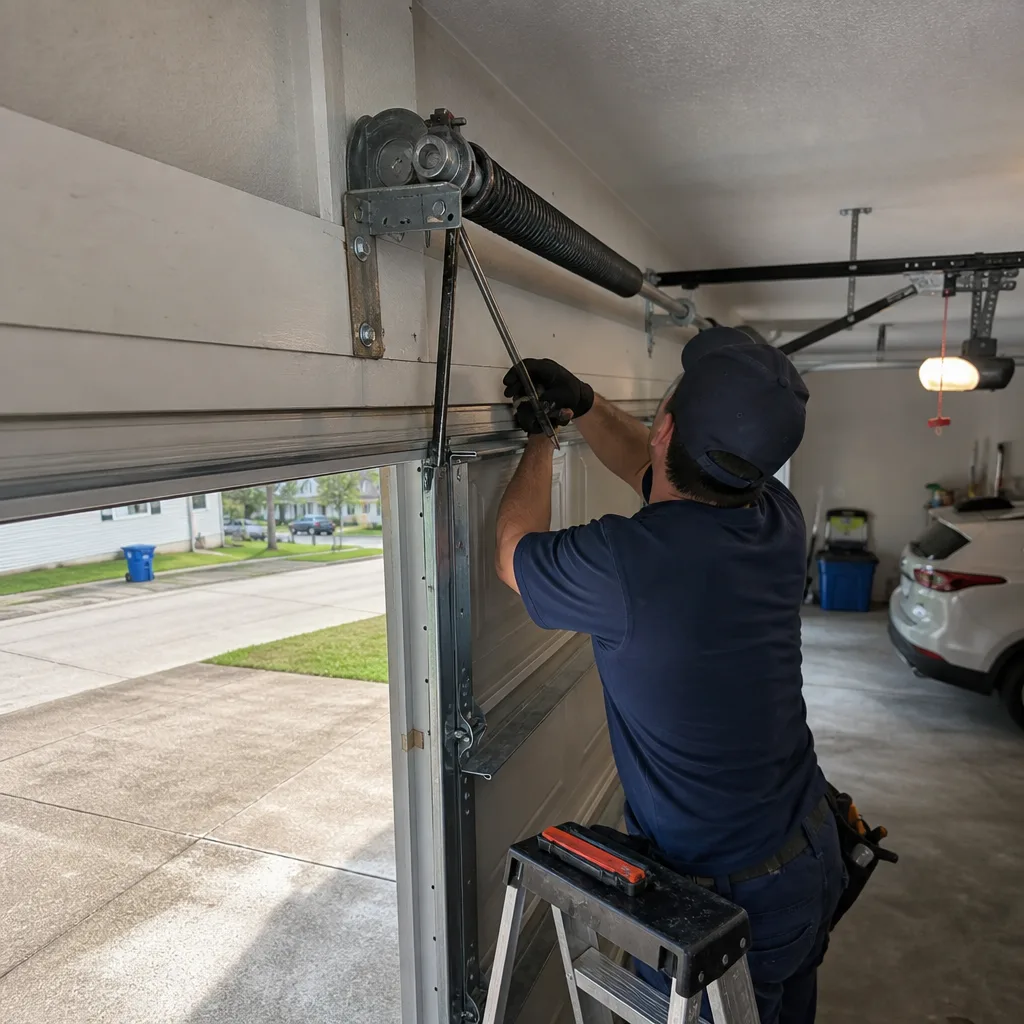 After