
Last updated October 31, 2026
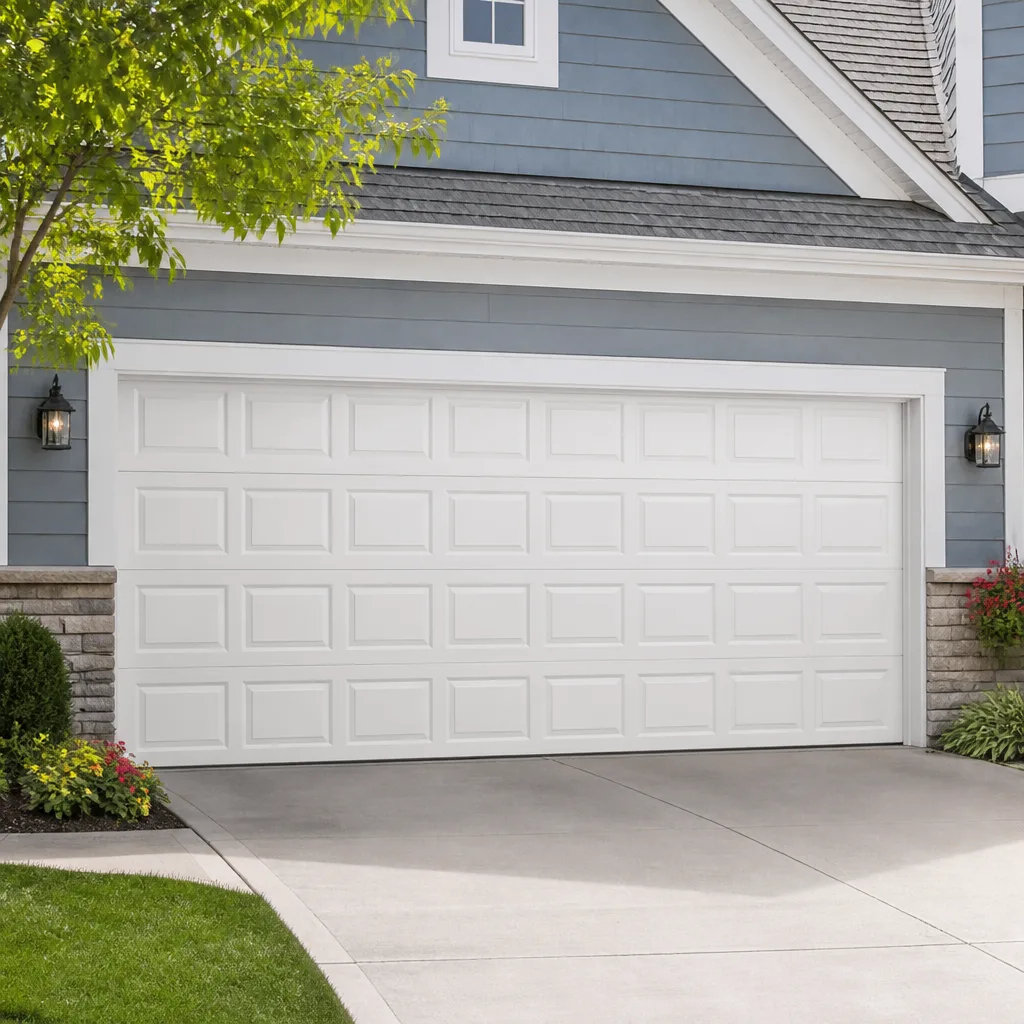 Raised-panel steel
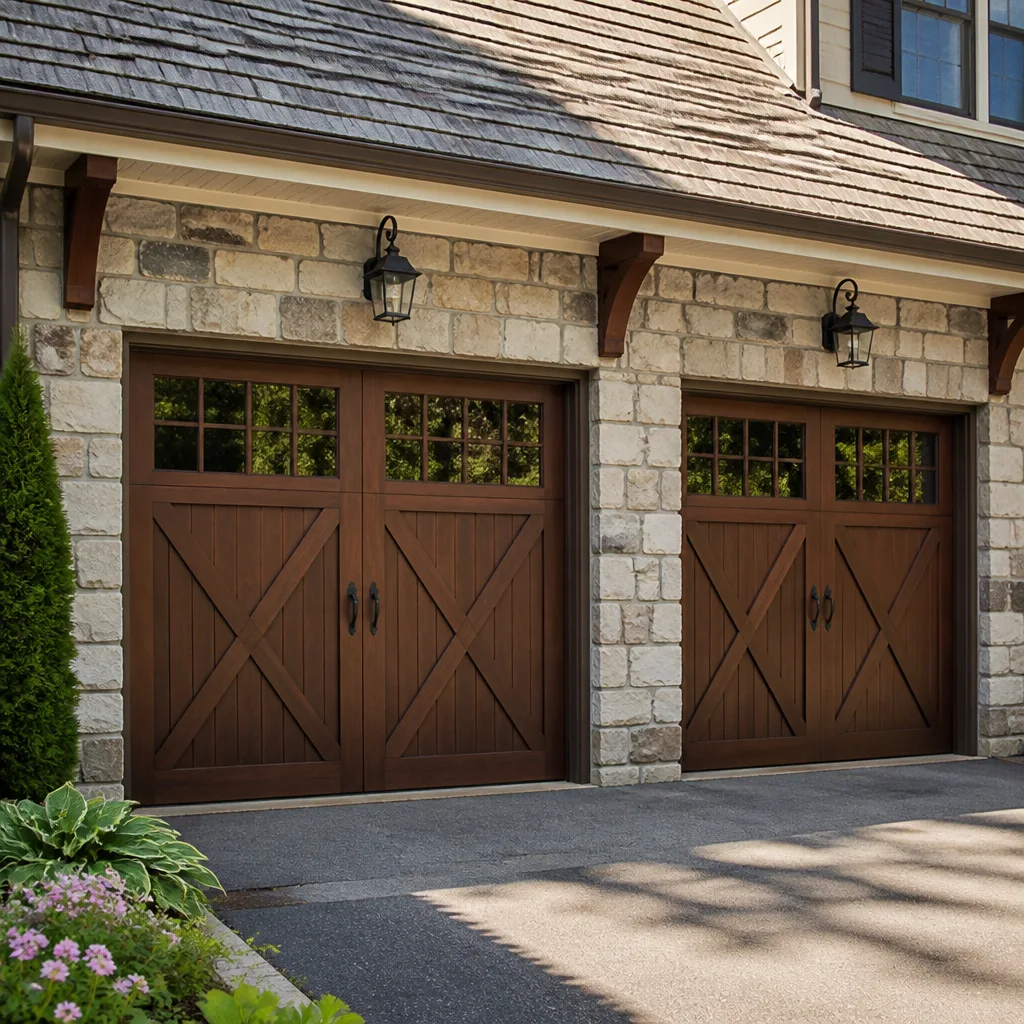 Carriage house
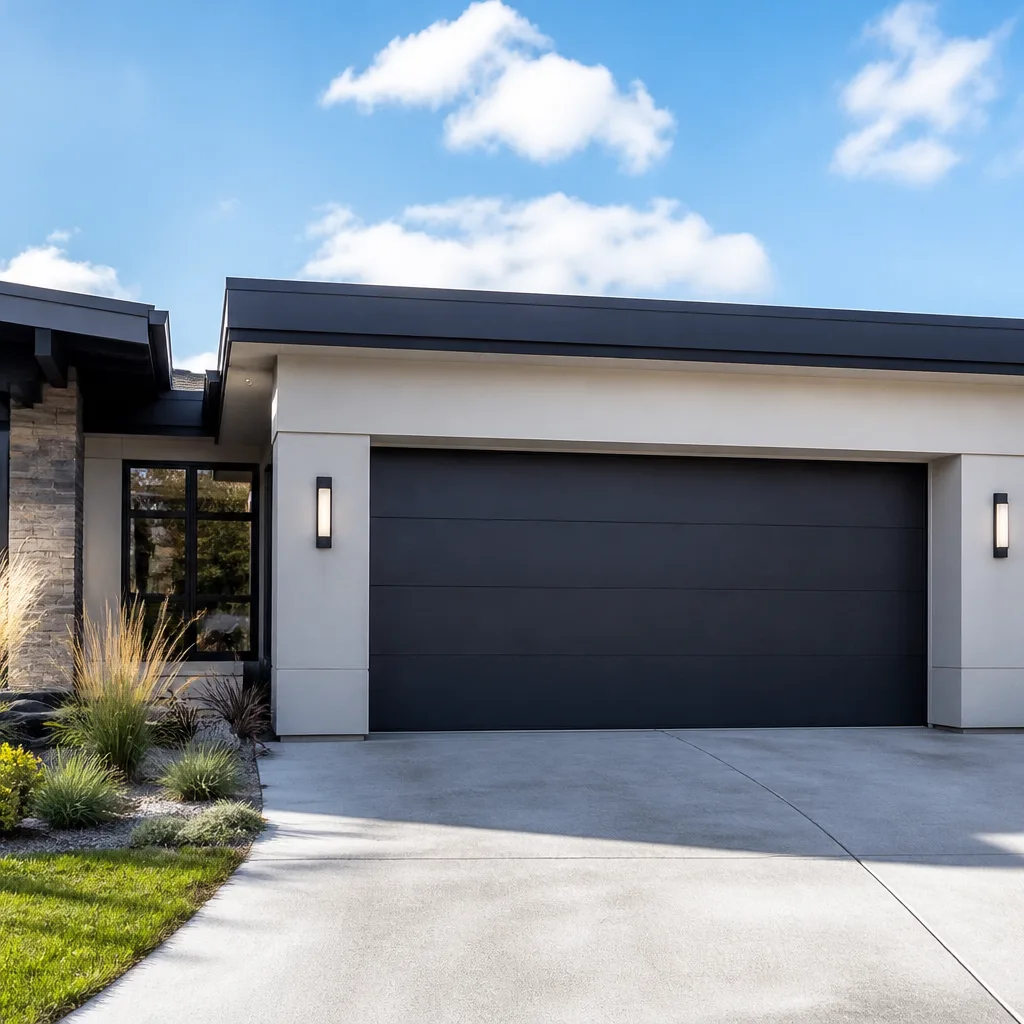 Modern flush
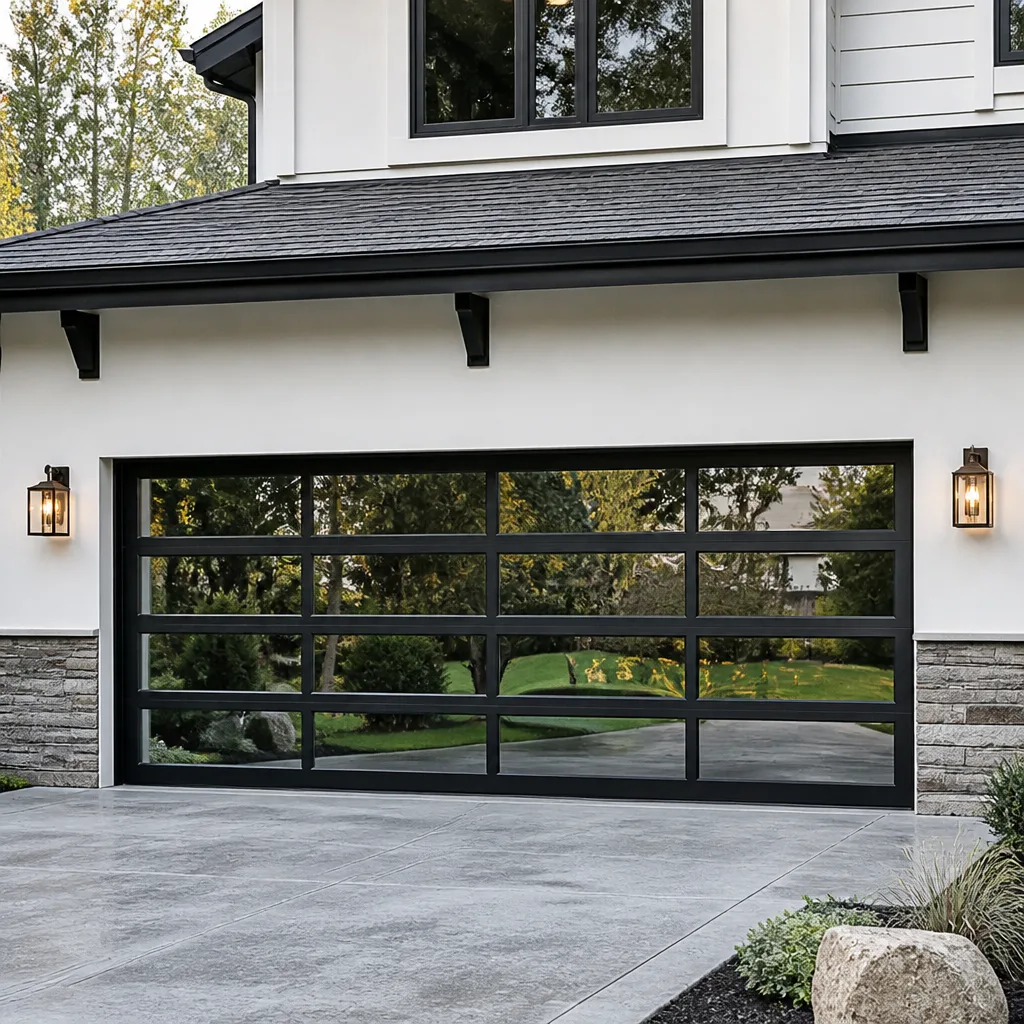 Full-view glass
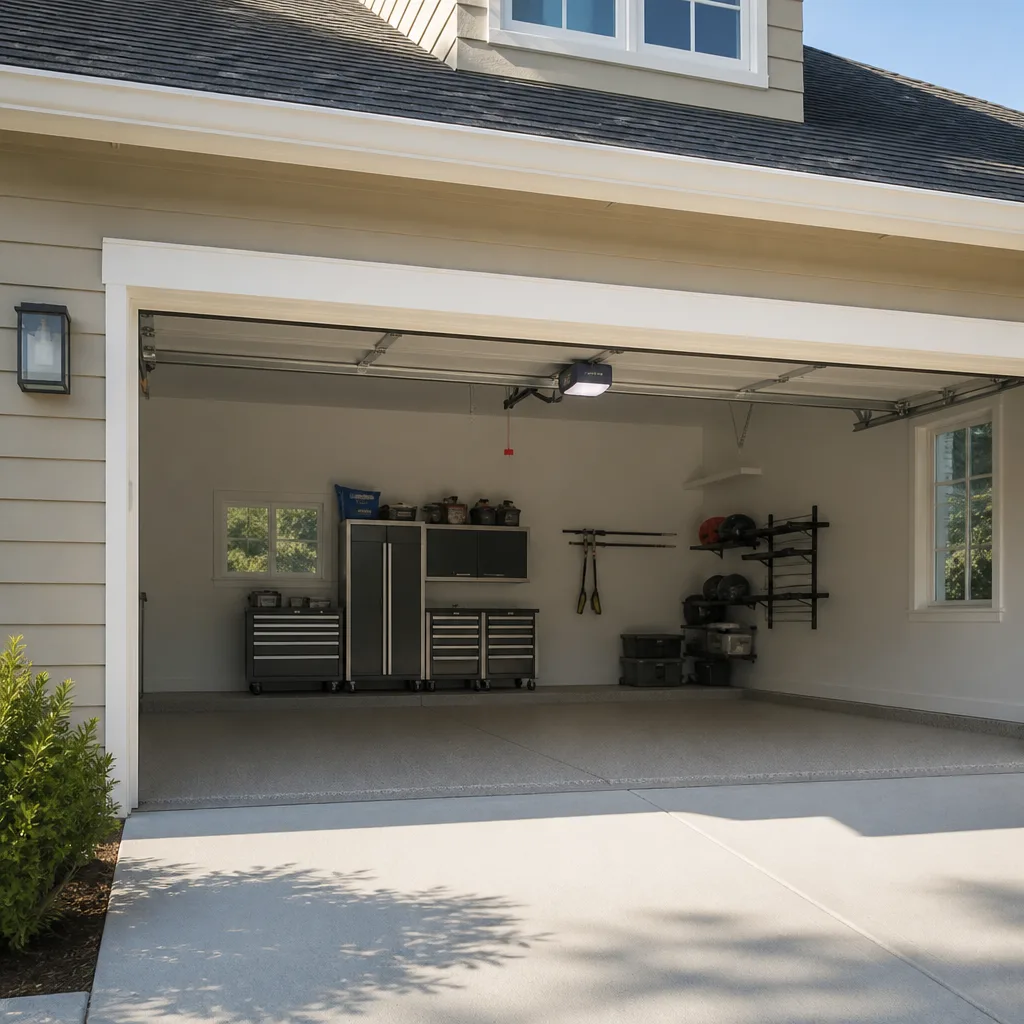 LiftMaster openers
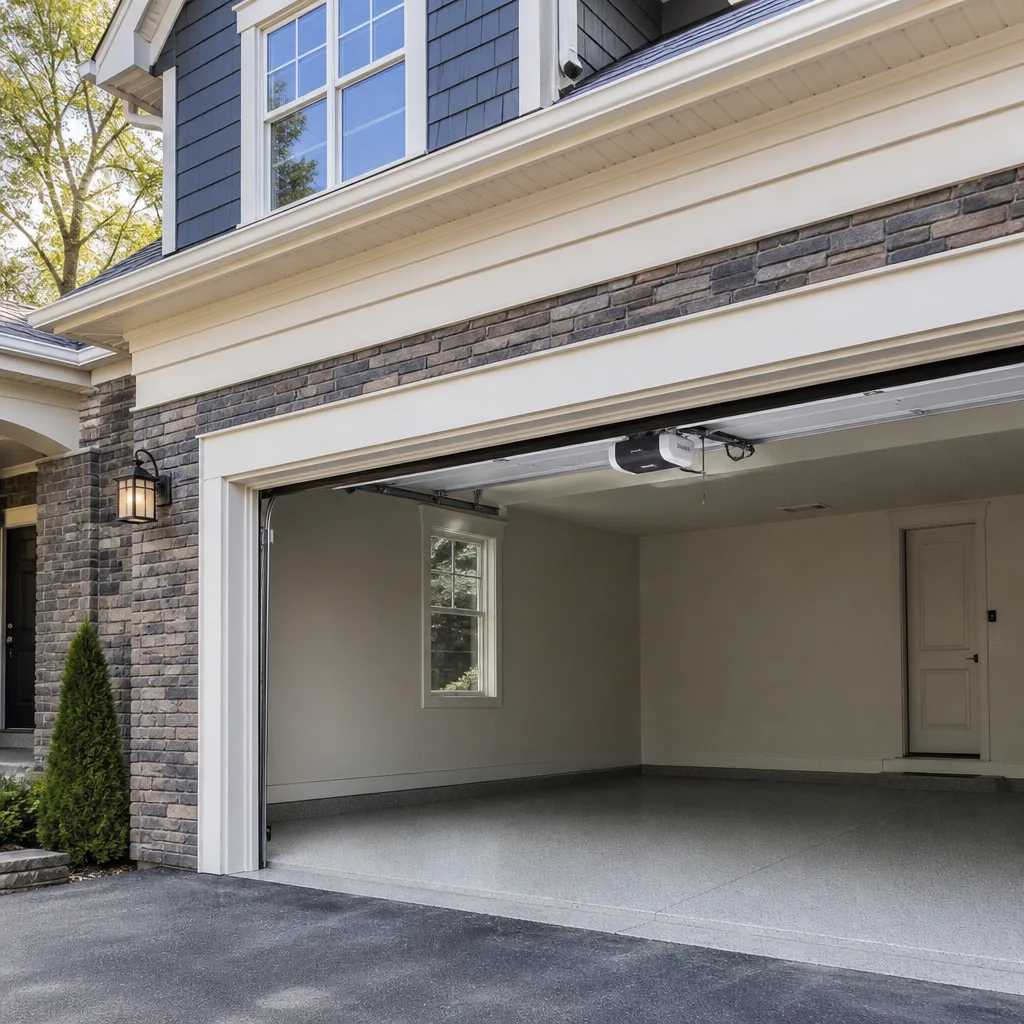 Chamberlain openers
Full 25-point door and opener safety check with every visit - springs, cables, rollers, tracks, and your LiftMaster or Chamberlain opener included
You get a price before we start. It does not change when the truck arrives.
Get your free estimateGarage Door Emergency Preparedness Guide for Fort Pierce Homes
FEMA’s post-hurricane research reached a conclusion that still surprises most Treasure Coast homeowners: the garage door, not the window or the roof, is the most common point of catastrophic structural failure in Florida homes during high-wind events. When a garage door breaches, internal pressure builds fast, and that pressure lifts roofs and collapses walls. For Fort Pierce, sitting squarely in the Atlantic hurricane corridor, this isn’t a theoretical concern. This guide walks you through the emergency protocols, equipment checks, and storm-season habits that turn your garage door from your home’s biggest vulnerability into a prepared, storm-ready barrier.
Styles & brands we work with
Quick Answer
Garage door emergency preparedness in Fort Pierce means three things: knowing how to manually operate your door during a power outage, confirming your door is braced or rated for St. Lucie County wind loads, and having a practiced pre-storm and post-storm inspection routine. Every homeowner should test their manual release mechanism before hurricane season starts, and any door installed before 2002 without a bracing kit should be evaluated by a garage door specialist before the next named storm approaches. See our Garage Door Repair Maintenance Checklist for Fort Pierce Homeowners for a full pre-season routine.
Table of Contents
- How to Manually Operate Your Garage Door During a Power Outage
- The Hurricane Brace Kit: What It Is and Who Needs One
- The 48-Hour Pre-Storm Checklist for Fort Pierce Homes
- Post-Storm Inspection Sequence: What to Check Before You Operate
- Garage Door Won’t Open After a Storm? Emergency Protocols
- Opener-Specific Emergency Features Worth Knowing
- Common Mistakes to Avoid
- When to Call a Professional
- Frequently Asked Questions
- The Bottom Line
How to Manually Operate Your Garage Door During a Power Outage
The most common emergency scenario in Fort Pierce isn’t a Category 4 direct hit. It’s the power outage that follows a squall line, a feeder band, or a transformer blow, and leaves your car trapped inside the garage. If you haven’t practiced manual operation before, doing it for the first time at 2 AM in the dark with a flashlight in your teeth is a recipe for frustration, and in some cases, injury.
Every garage door opener installed since the early 1990s has a manual release mechanism, usually a red cord or handle hanging from the opener rail. Pulling that cord disconnects the door from the opener carriage, allowing you to lift or lower the door by hand. But the mechanics aren’t the same across every brand, and the feel of a manual door, especially a heavy double-wide, surprises people who’ve never done it.
- Confirm the door is fully closed or fully open before pulling the release. Pulling the release while the door is mid-travel can cause it to slam, which is dangerous and can bend tracks or damage panels.
- Locate the red release cord. On LiftMaster and Chamberlain openers, it hangs from the carriage on the rail. On Genie screw-drive and belt-drive models, it’s typically near the front of the rail assembly. The cord almost always has a red plastic handle.
- Pull the cord firmly down and toward the door. You’ll hear a distinct click or snap as the carriage disengages. Some models require a second pull to re-engage.
- Lift the door using the handles or the bottom edge, not the panels themselves. Use your legs, not your back. A double-wide steel door can weigh 150 to 200 pounds. If it feels unusually heavy or resists movement, stop and call a professional. A door that won’t lift smoothly may have a broken spring, and lifting against a broken spring is how adults end up with hernias and crushed fingers.
- To re-engage, pull the release cord back toward the opener motor. Most modern openers will re-engage automatically on the next full open or close cycle. You may hear a second click when the carriage locks back onto the trolley.
Safety note: Garage door springs, especially torsion springs mounted above the door, are under enormous tension. Never attempt to adjust, remove, or repair a spring yourself. If your door won’t move smoothly during a manual test, or if the spring is visibly broken or stretched, leave the door in place and call a trained technician. This isn’t a handyman job, and it’s not a YouTube tutorial job. We’ve done Garage Door Repair in Port Saint John and throughout the Treasure Coast where homeowners tried to force a door with a failed spring, and the damage to tracks, cables, and panels always costs more than the spring replacement would have.
The Hurricane Brace Kit: What It Is and Who Needs One
Florida building code changed after Hurricane Andrew in 1992, and again after the 2004-2005 storm seasons that hammered St. Lucie County. Post-2002 code requires new garage doors in the wind-borne debris region, which includes all of Fort Pierce and the Treasure Coast, to be rated for specific design wind pressures. But a lot of Fort Pierce homes, especially in established neighborhoods like Lakewood Park, White City, and Indian River Estates, still have doors installed in the 1980s and 1990s that don’t meet current standards.
A hurricane brace kit is a retrofit system of vertical and horizontal aluminum or steel posts that mount behind the garage door and anchor it to the slab and the header. When a storm hits, the bracing transfers wind load from the door face to the structural framing instead of letting the panels flex until they pull out of the tracks. A properly installed brace kit can take a non-rated door up to code compliance, or close to it.
St. Lucie County wind requirements are serious. The design wind speed for the county is in the 140 to 150 mph range depending on the exact location and exposure category. A door that’s rated for Miami-Dade, which is the strictest standard in Florida, will generally meet St. Lucie County requirements. But a door rated only for “non-wind-borne debris” regions won’t.
How to verify your door’s rating:
- Check the sticker or data plate on the inside of the door panel, usually on the top or bottom section. Look for a wind load rating, a Miami-Dade NOA (Notice of Acceptance) number, or a Florida Product Approval number.
- If there’s no sticker, check your home’s original construction records or the garage door manufacturer’s documentation. Doors from Clopay and Amarr produced after 2002 typically have wind-load options and are labeled clearly.
- If you can’t verify the rating, assume the door is not storm-rated and talk to a garage door specialist about a brace kit or replacement.
We’ll be direct with Fort Pierce homeowners about this: a brace kit retrofits your existing door, but it can’t fix a door that’s already failing. If your panels are rusted, your tracks are misaligned, or your springs are original to the Reagan administration, bracing a weak door is a false economy. Sometimes the honest answer is that a new wind-rated door costs less than nursing along an old one year after year. That’s what we mean by repair or replace, we’ll tell you which one actually makes sense.
The 48-Hour Pre-Storm Checklist for Fort Pierce Homes
Fort Pierce sits low and flat, with older neighborhoods a few feet above sea level and newer subdivisions just west of I-95. When the National Hurricane Center puts St. Lucie County in the cone, you have a narrow window to prepare. Here’s the garage door sequence that matters, in order of importance.
- Test the manual release. Pull the red cord, open and close the door by hand twice, re-engage the opener, and run a full open-close cycle. If anything sticks, grinds, or feels heavy, address it now. Waiting until the storm is 18 hours out means no technician can reach you.
- Engage the door lock, if you have one. Manual slide bolts on the inside of each track add reinforcement against wind flex. Older doors often have these; newer openers lock automatically through the motor. Engage both if available.
- Install the hurricane brace kit, if you have one. Most kits take 15 to 30 minutes to install once you’re familiar with them. Practice once during the off-season so you’re not reading instructions by flashlight during a feeder band.
- Charge the opener’s battery backup, if equipped. Newer LiftMaster and Chamberlain models have built-in battery backups. If yours does, confirm the battery light is green. If your opener doesn’t have a backup, you’ll be running manually if the power fails.
- Clear the garage floor and the area outside the door. Park the cars inside or move them out of the flood-prone overspill areas. Secure loose items. In a storm, an unsecured garbage can becomes a missile aimed at your own or your neighbor’s garage door.
- Document everything. Walk around the door with your phone camera and photograph the panels, tracks, springs, and opener from multiple angles. If you file an insurance claim after the storm, this set of “before” photos is the single most useful piece of evidence you can provide.
One question we hear every season from Fort Pierce homeowners: should the door be left up or down during a major storm? The answer is down, locked or braced, because a closed door resists wind pressure as a unit. An open door catches wind and puts the entire track system at risk. The only exception is if your home is in a known flood zone and your evacuation plan requires the car to be out of the garage for the duration. In that case, secure the door closed anyway and accept that you may be parking on higher ground.
Post-Storm Inspection Sequence: What to Check Before You Operate
After the storm passes and the power is back, or even if it isn’t, the impulse is to open the garage and check on everything. Resist that impulse long enough to inspect the door system in order. A door that took a debris hit or a pressure surge may look fine from the outside and fail the moment you hit the button.
Work through this sequence before operating the door:
- Visual check from outside. Stand in the driveway and look at the door panels. Look for dents, punctures, buckling, or panels pushed inward. Check for debris wedged between the door and the jamb or along the bottom edge.
- Track inspection from inside. Look up at both vertical and horizontal tracks. Bent tracks, pulled mounting bolts, or gaps between the track and the wall are red flags. If the tracks are misaligned by even a quarter inch, the door can bind and jump the track on its first cycle.
- Cable check. The lift cables on both sides of the door should be taut and seated in their drums. A slack cable usually means a spring has failed, even if the spring looks normal at a glance. Do not touch the cables. Do not try to re-seat them.
- Spring inspection. Torsion springs sit horizontally above the door; extension springs run along the upper tracks. A visible gap in the middle of a torsion spring means it snapped, which is one of the most common post-storm failures we see in Fort Pierce. The door may still open with the opener, but it’s running on borrowed time and unsafe for manual operation.
- Panel-to-jamb alignment. With the door closed, look for even gaps on both sides. Uneven gaps suggest the door was racked or twisted by wind pressure.
- Test cycle with your hand on the wall button. If everything above passes, run one full open-close cycle. Stand inside the garage, not under the door. Listen for grinding, popping, or straining sounds from the opener motor. Watch the door’s speed and smoothness. If anything looks or sounds wrong, stop the cycle and leave the door where it is.
This sequence takes about five minutes. It saves homeowners in Fort Pierce thousands of dollars every storm season because the worst damage we see is from doors that were operated once after a storm while a cable was off or a spring was cracked, and that one cycle twisted the tracks, wrecked the panels, and sometimes pulled the opener off its mounts.
Garage Door Won’t Open After a Storm? Emergency Protocols
A garage door that won’t open after a storm is frustrating, but forcing it is how a $200 repair becomes a $2,000 replacement. Here’s the protocol we recommend to every Fort Pierce homeowner who calls us after a weather event.
First, determine why it’s not opening. Is it a power issue? Check the breaker and the opener’s power cord. Is the opener running but the door doesn’t move? The manual release may be engaged, the carriage may be stripped, or a spring may have failed and the opener is spinning against a load it can’t lift. For step-by-step diagnostics, see our Garage Door Repair Troubleshooting: Common Problems and How to Fix Them. Is the opener dead silent? That’s electrical, and you may just need a reset or a new logic board. Is the door partially open and stuck? That’s structural, and you should not force it.
Second, check the obvious non-mechanical causes. Flood debris wedged under the door. A branch propped against the outside face. A child or pet toy jammed in the track. These account for a surprising number of post-storm no-open calls in Fort Pierce.
Third, if the door is stuck mid-travel, leave it, and secure the house another way. A door that’s partially open after a storm is a security risk, but yanking on it with a car or a come-along can strip gears in the opener, snap cables, and bow panels. Cover the opening with a tarp if you must, and call a professional.
Fourth, know where your emergency release is if the car needs to come out. If the opener has power but won’t lift the door, pull the release and try manual operation once, carefully. If the door is too heavy to lift or lifts a few inches and binds, stop. No material possession in that garage is worth a tension spring injury. From the opener to the panels, this is a system where one failed component cascades quickly.
We tell Fort Pierce homeowners this plainly: after a storm, if your door won’t open and you’ve ruled out power, the safest call is to leave it and call us. We’d rather walk you through the release over the phone and tell you it’s safe to try than have you discover the hard way that a spring was cracked and the cables were about to go. That phone conversation is free.
Opener-Specific Emergency Features Worth Knowing
Different opener brands handle power outages and storm recovery differently, and knowing what’s on your ceiling before a storm makes the emergency protocol after one much faster. Here’s a quick brand-by-brand rundown of the emergency features we deal with most often on Fort Pierce service calls.
Chamberlain and LiftMaster (same parent company, two product lines): Many models from the last decade include built-in battery backup, especially the belt-drive and wall-mount units. If you see a battery icon on the wall panel, you have backup power for roughly 20 to 50 open-close cycles, depending on the model. Chamberlain is also the backbone of the myQ smart ecosystem, which means you can check whether your door is open or closed from an evacuation hotel room. That’s genuinely useful when your brain is full of storm checklists and you’re 200 miles away wondering if you remembered to close the door.
Genie: Genie’s approach to battery backup is mostly through the Aladdin Connect add-on, which pairs with certain Genie openers. Not every Genie model has backup built in, so check your specific unit. Genie screw-drive openers are common in older Fort Pierce homes, and those motors run loud and strong, which is fine until a stripped gear leaves the motor running and the door stationary.
Craftsman: Most Craftsman openers in the field are Chamberlain-built units sold under Sears branding, especially the 1/2 HP chain-drive models from the 2000s that are everywhere in St. Lucie County. These units typically do not have battery backup and rely on the manual release, which makes the release-cord drill even more important for Craftsman owners.
If you’re shopping for a new opener specifically with storm resilience in mind, a belt-drive unit with built-in battery backup is the standard recommendation for Fort Pierce. Palmetto Garage Door Service works on LiftMaster, Chamberlain, Genie, and Craftsman openers daily, and for installs near the coast, we prefer to quote options that include backup rather than leaving homeowners to discover, at the worst possible moment, that their opener is a fair-weather machine.
Common Mistakes to Avoid
- Never testing the manual release until the power is already out. Your first manual operation should happen in daylight, in good weather, with no pressure. Muscle memory matters. Fort Pierce homeowners who practice once a year handle outages calmly. Everyone else calls us in frustration because they can’t find the release cord or don’t know how to re-engage it.
- Assuming all garage doors are hurricane-rated. They’re not. Post-2002 doors generally are, but older Fort Pierce neighborhoods are full of doors that predate the wind-borne debris code. Verify yours before the season, not after the cone forms.
- Forcing a jammed door with the opener. The opener motor is strong enough to bend tracks and tear cables when the door is bound. If the door resists, stop. Diagnose first.
- Ignoring a broken spring after a storm. A snapped torsion spring is a clear warning sign, but some homeowners keep operating the door with one spring and the opener, and then act surprised when the second spring fails and the door drops. A broken spring is not an optional repair.
- Securing the door but forgetting the opener. Engaging slide bolts and a brace kit while leaving the opener connected and powered means one accidental button press fights your own hardware. Disconnect or unplug the opener if you’re manually securing the door for a storm.
- Waiting until the storm is two days out to address a known issue. Every repair company in Fort Pierce gets flooded with calls in the 72 hours before landfall. If your door squeals, shudders, or hesitates now, service it now. You don’t want to be number 47 in line while the track shifts east.
When to Call a Professional
Some emergency prep tasks are homeowner work: testing the release, photographing the door, clearing debris, installing a brace kit you own and have practiced with. Other situations call for a trained technician, and knowing the difference is part of storm readiness.
Call a professional if your spring is broken or visibly stretched, if your cables are frayed or loose, if your tracks are bent or pulling away from the wall, if your door binds during manual operation, or if your opener makes grinding noises and won’t lift a properly-balanced door. Also call if you need a hurricane brace kit installed for the first time, or if you want a wind-load assessment on an older door before you invest in retrofitting versus replacement. Palmetto Garage Door Service offers Garage Door Installation in Port Saint John and the broader Fort Pierce area, and we’ll give you a straight answer on whether bracing or replacing is the right call. Calls are free at (877) 265-2128, and we quote every job before work starts, so there are no surprises after the fact.
Frequently Asked Questions
Hurricane brace kits for a standard single or double garage door typically range from $200 to $500 for the hardware, with professional installation adding $150 to $350 depending on the door size, track configuration, and anchoring requirements. St. Lucie County wind loads and the need for proper anchoring to the slab and header make professional installation the right choice for most Fort Pierce homes. Call (877) 265-2128 for a free estimate on your specific door.
Yes, every garage door opener has a manual release mechanism, usually a red cord hanging from the rail, that disconnects the door from the opener carriage so you can lift it by hand. Pull the cord firmly toward the door, lift using the handles or bottom edge with your legs, and re-engage by pulling the cord back toward the motor. If the door feels unusually heavy or won’t lift smoothly, stop and call us before forcing it, because a heavy door usually means a broken spring, and that’s not something to fight with.
Check for a sticker or data plate on the inside of the door panel showing a wind load rating, Miami-Dade Notice of Acceptance number, or Florida Product Approval number. Doors installed after 2002 in the wind-borne debris region generally meet St. Lucie County requirements, and brands like Clopay, Amarr, and Wayne Dalton often produce wind-rated options. For details on local requirements, read Garage Door Permits, Codes & Inspections in FL: What You Need to Know. If you can’t verify the rating, assume the door isn’t storm-rated and have a professional assess whether a brace kit or replacement is the better investment.
Check the breaker and opener power first, then clear any storm debris from under or against the door, and look for visible track, cable, or spring damage before touching the opener button. If the door is stuck mid-travel or resists movement, leave it in place, secure the opening with a tarp if needed, and call a professional. Forcing a jammed door with the opener or a car is how a minor track misalignment turns into a full panel and track replacement.
Only if it has a built-in battery backup, which is common on newer LiftMaster and Chamberlain models and available on some Genie units through the Aladdin Connect accessory. Most Craftsman and older chain-drive openers do not have backup power and require manual operation during an outage. If yours runs on a backup battery, it’s usually good for 20 to 50 cycles, enough to get through an extended outage if you’re sparing with it.
Test the manual release at least once a year, and for Fort Pierce homeowners, the right time is late spring before hurricane season begins, not the week before a named storm. Pull the cord, run the door up and down by hand twice, re-engage the opener, and run a full automatic cycle to confirm everything locks back correctly. Five minutes in May saves a 2 AM scramble in August.
The Bottom Line
Garage door emergency preparedness in Fort Pierce isn’t about buying one gadget or checking one box. It’s a sequence: test your manual release before the season, verify your door’s wind rating and address it honestly, run a 48-hour pre-storm checklist, and inspect before you operate after the storm passes. The homes that fare best through hurricane season are the ones whose owners did the unglamorous work in June, not the ones who panicked at the last minute. Palmetto Garage Door Service is here to help with repairs, opener work, and full installation, and we work on all eight major brands, so no matter what’s on your ceiling or in your track, we’re prepared to handle it. Browse more guides & resources for year-round garage door care. Garage doors are all we do, and for Fort Pierce homeowners that means back up and running, the right way, before the next storm builds out over the Atlantic.
For a free estimate on storm preparation, bracing, or any garage door repair in the Fort Pierce area, call Palmetto Garage Door Service at (877) 265-2128. From our Palmetto Garage Door Service home base to Garage Door Opener Repair in Port Saint John, we’re the local team built for this climate.
Written by the team at Palmetto Garage Door Service, serving Fort Pierce since 2018.
See the difference
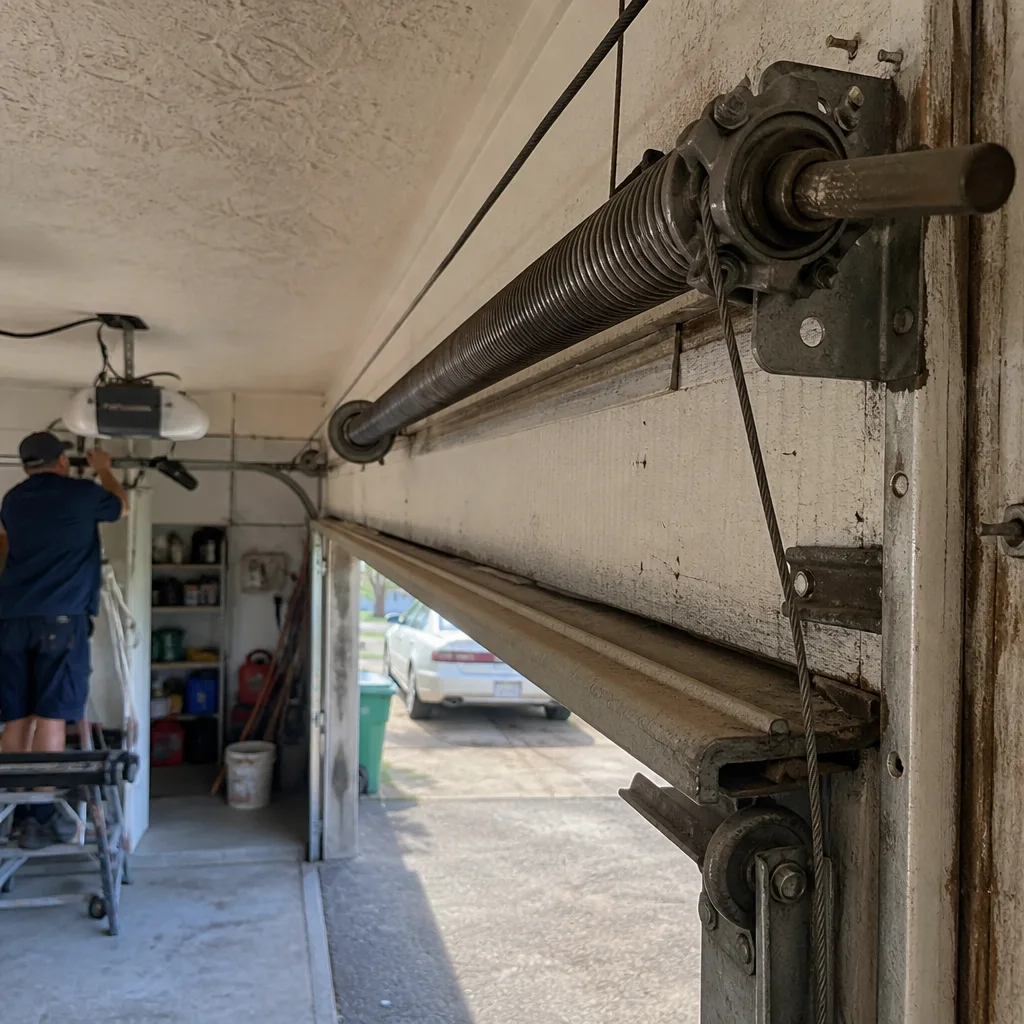 Before
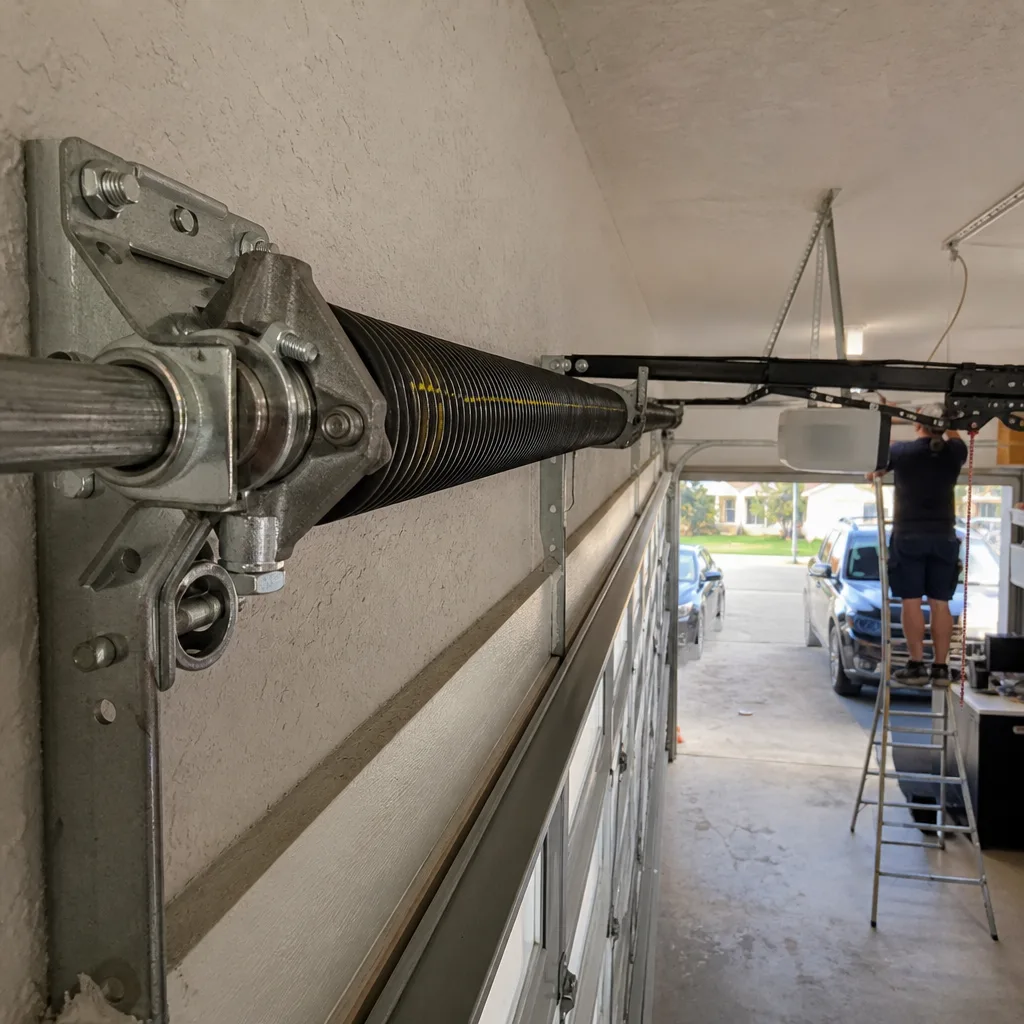 After
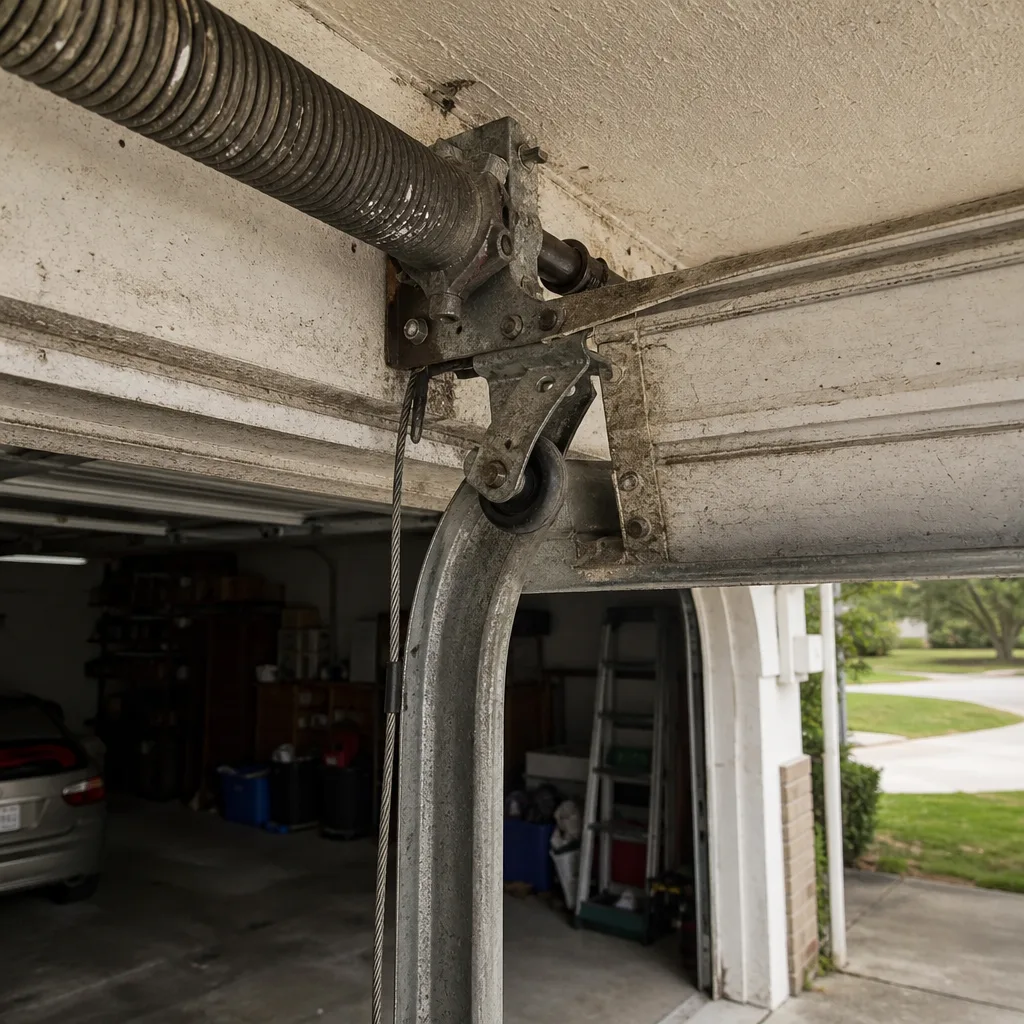 Before
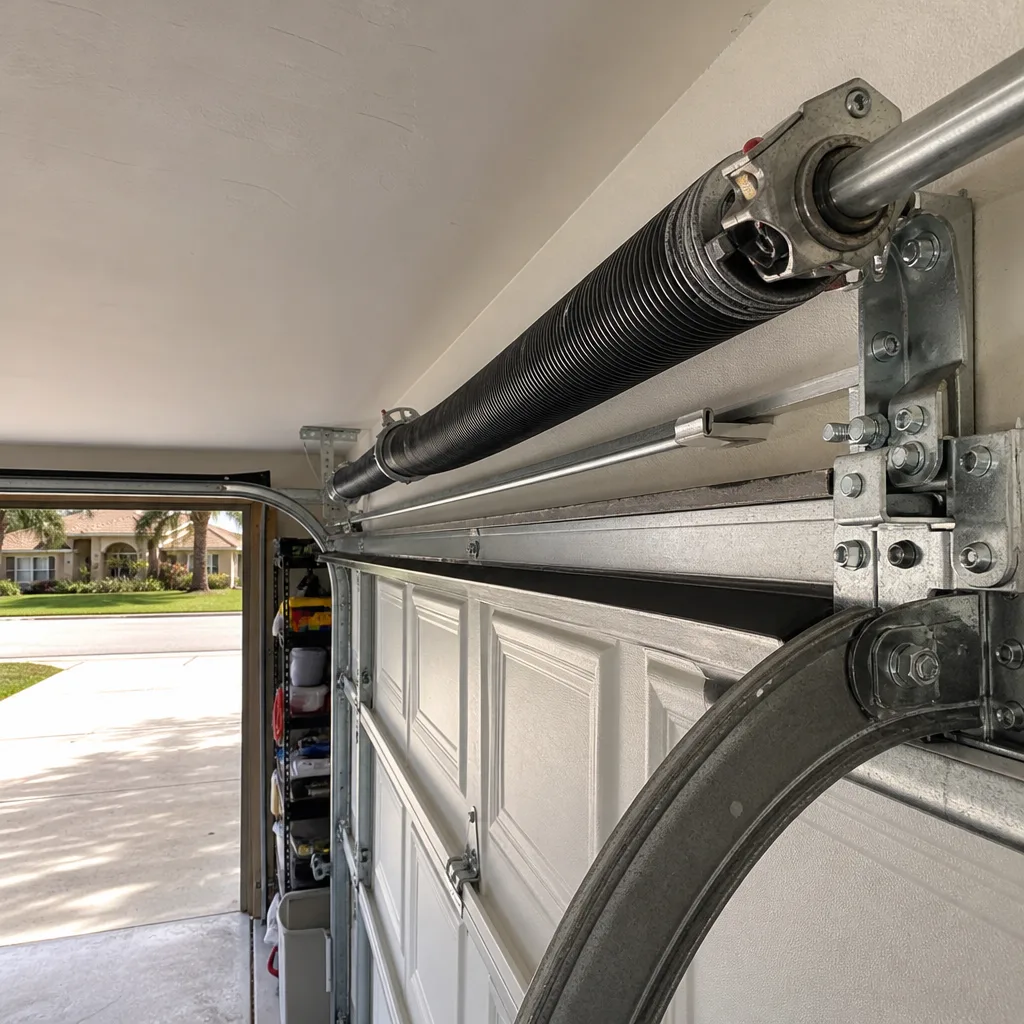 After
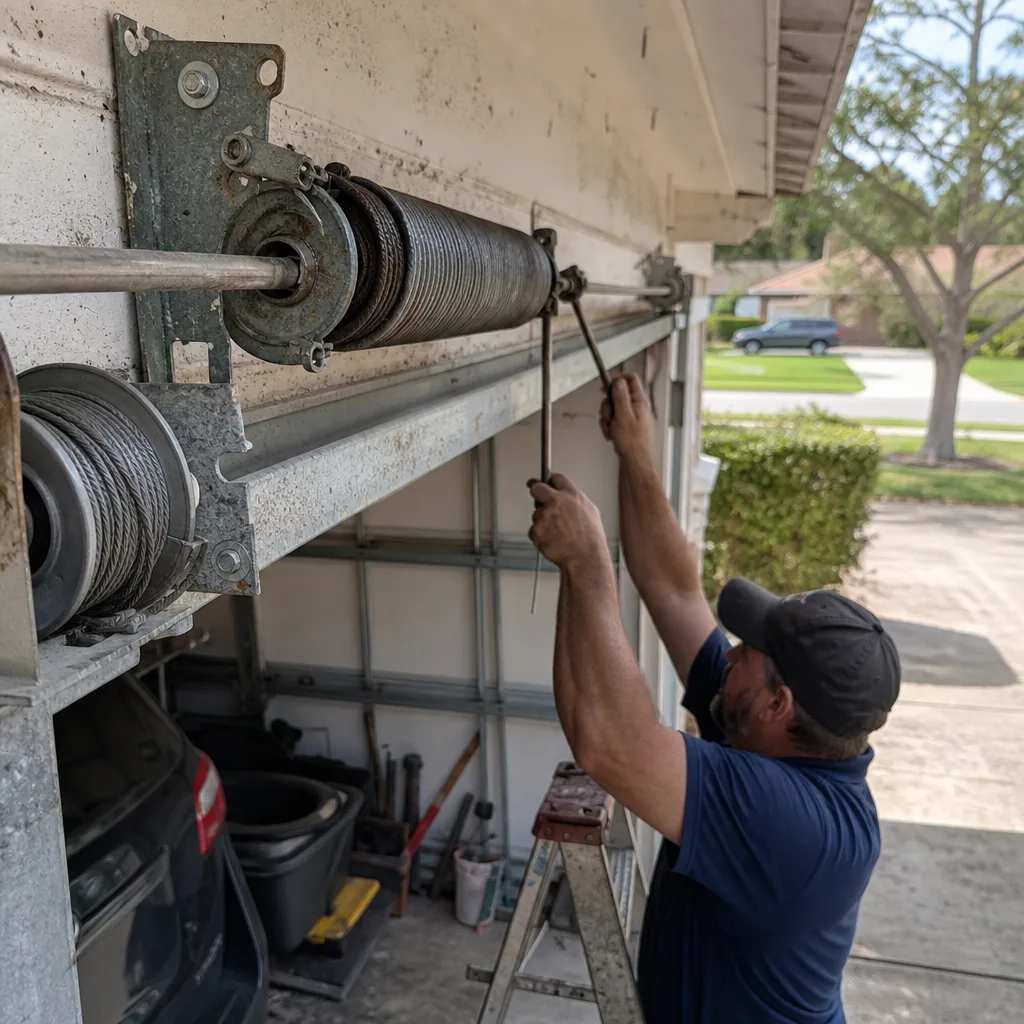 Before
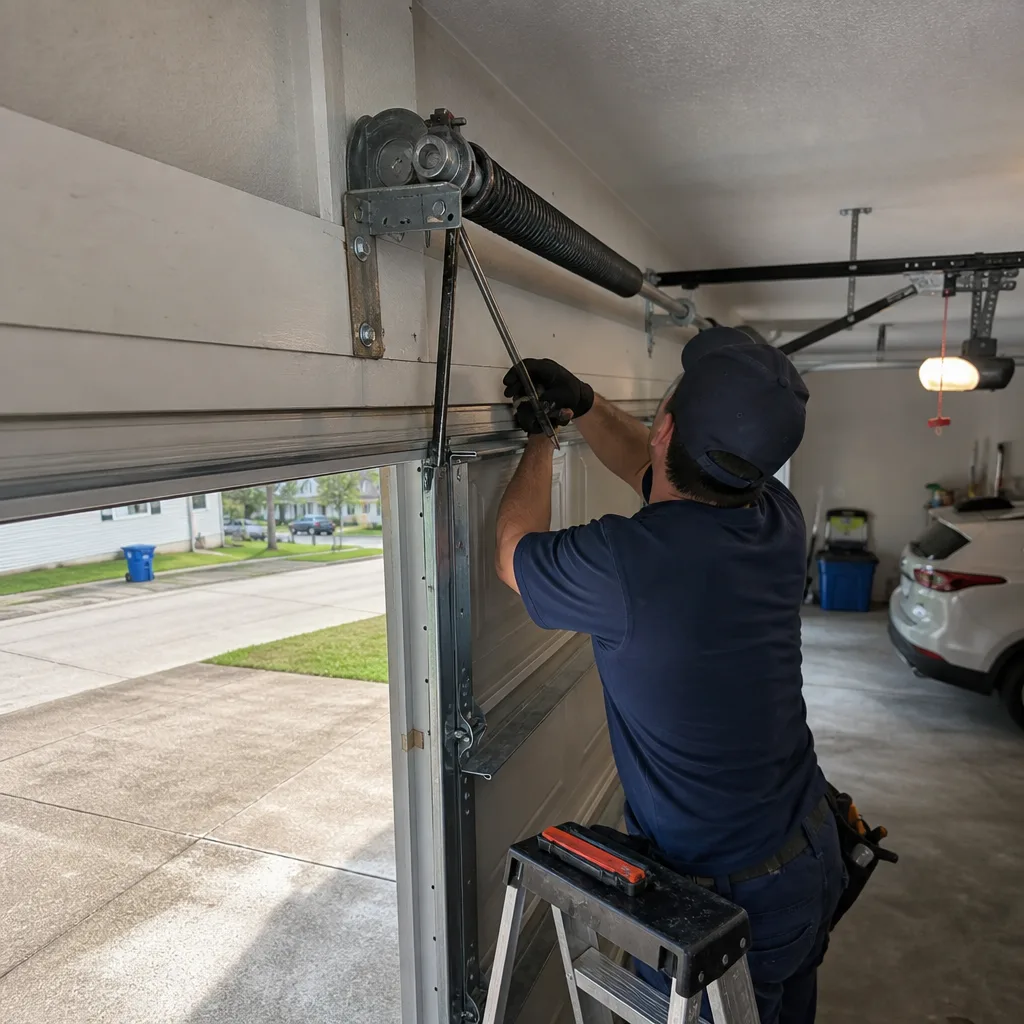 After