Last updated October 31, 2026
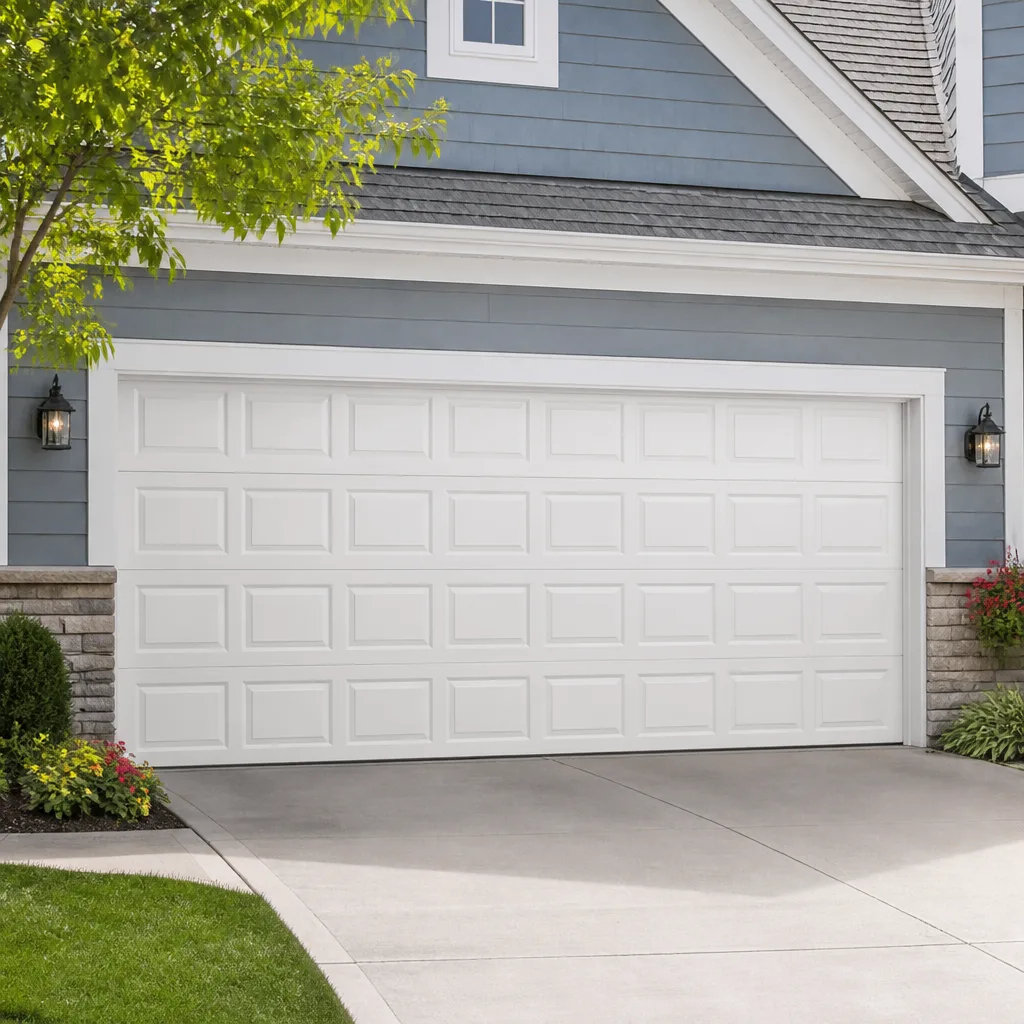 Raised-panel steel
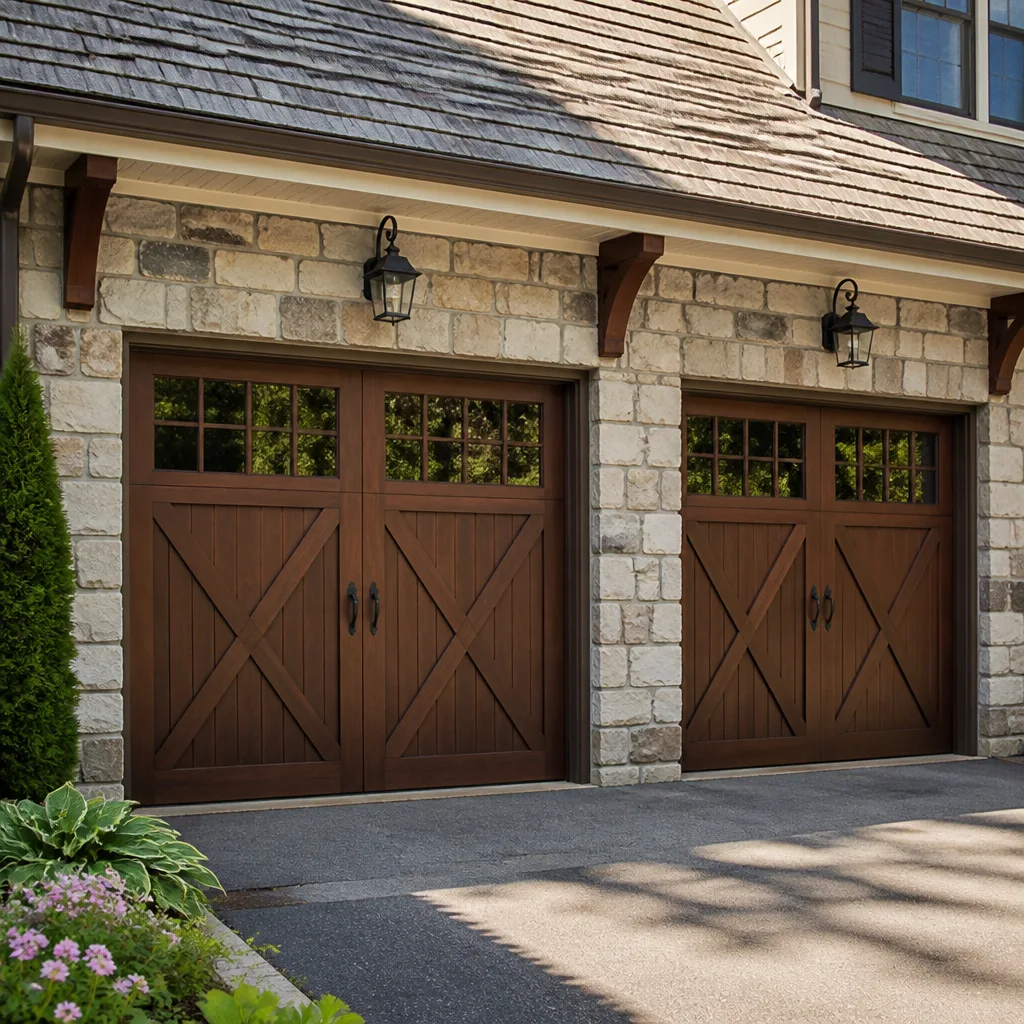 Carriage house
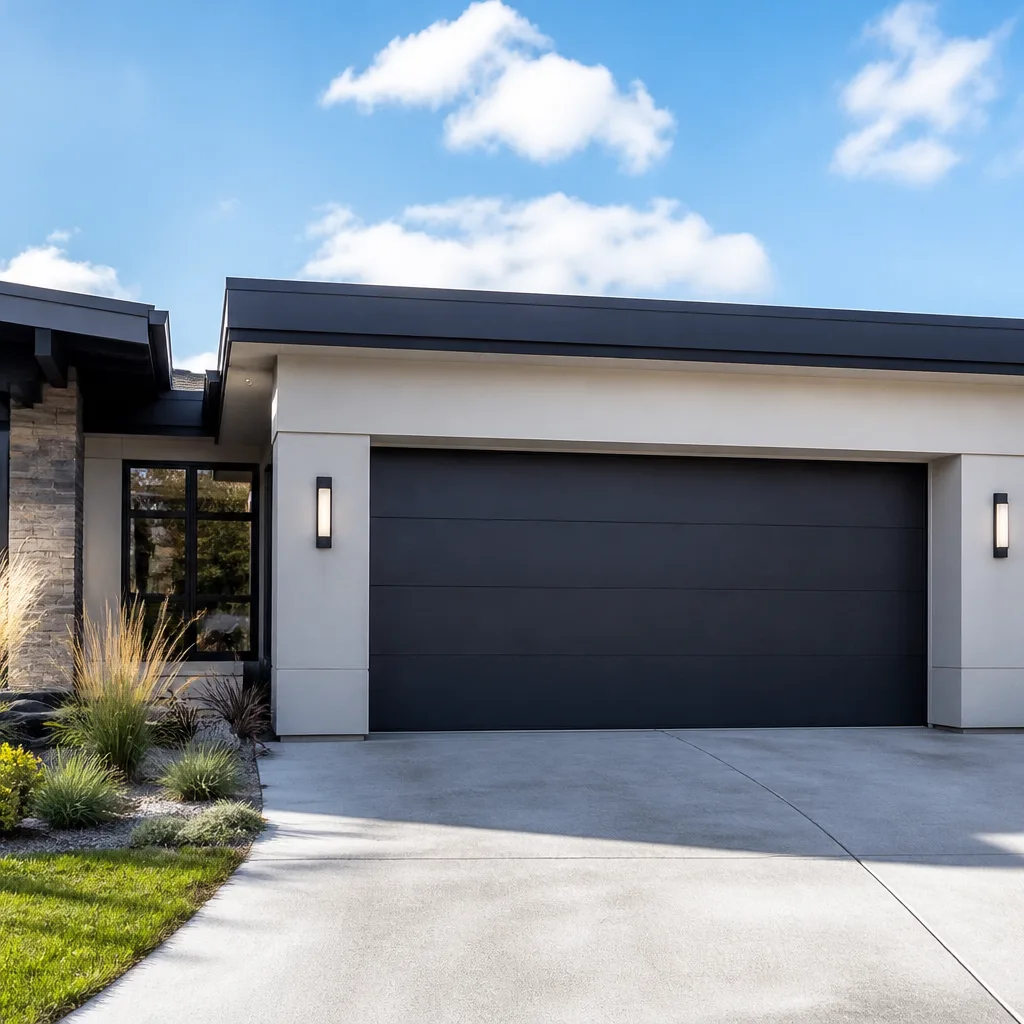 Modern flush
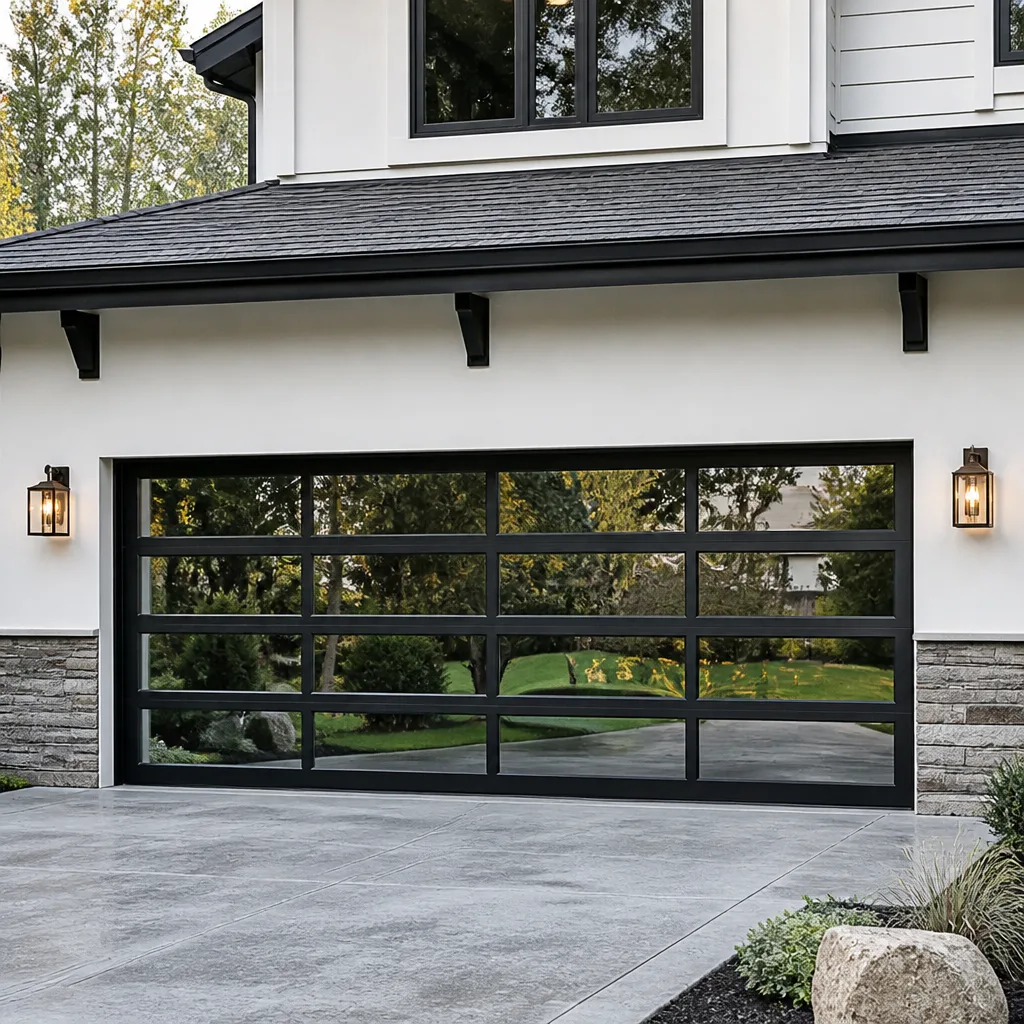 Full-view glass
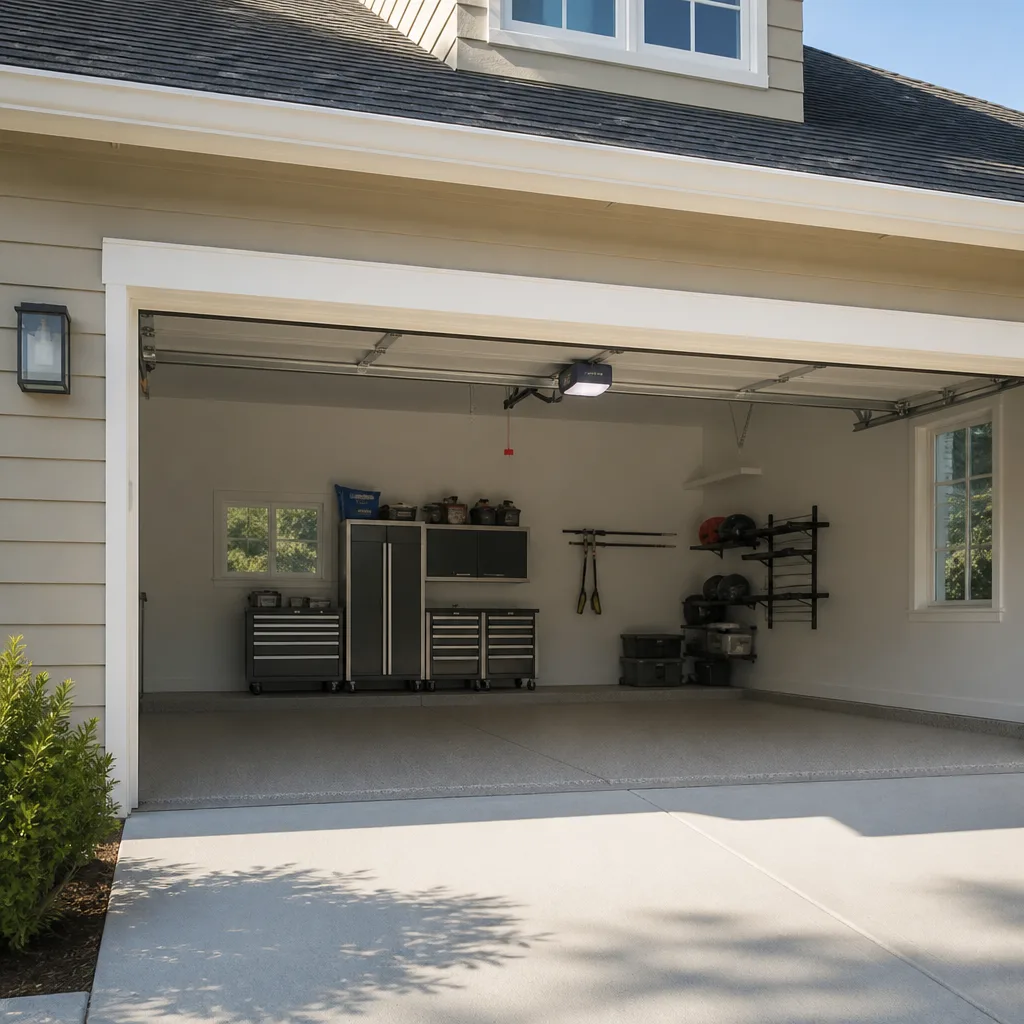 LiftMaster openers
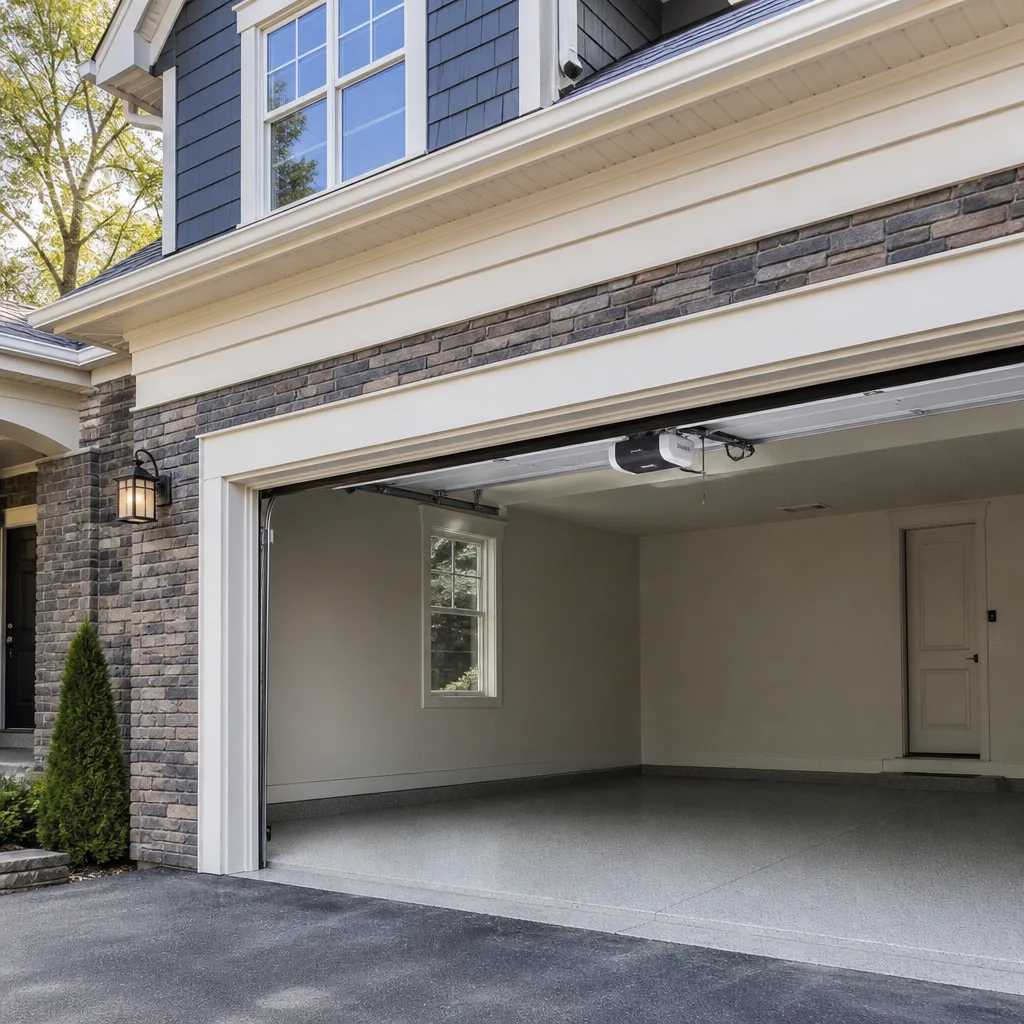 Chamberlain openers
Full 25-point door and opener safety check with every visit - springs, cables, rollers, tracks, and your LiftMaster or Chamberlain opener included
You get a price before we start. It does not change when the truck arrives.
Get your free estimateThe Complete Guide to Garage Door in Fort Pierce
Most garage door guides are written for Phoenix or Chicago. Fort Pierce sits in a coastal wind zone where a door rated for a Midwest suburb can fail a Florida inspection, and your insurer can deny a storm claim because of it. This guide walks through the decisions that actually matter here: wind-load ratings, salt-air corrosion, opener features that survive power outages, and how to read Florida’s product approval system without needing an engineering degree. For more guides & resources on keeping your home protected, explore our blog. If you’re buying, repairing, or upgrading a garage door in Fort Pierce, you’ll finish this page knowing exactly what to ask for.
Styles & brands we work with
Quick Answer
A garage door in Fort Pierce must meet Florida Building Code wind-load requirements for the High Velocity Hurricane Zone or wind-borne debris region, carry a Florida Product Approval number, and resist corrosion from salt air off the Indian River Lagoon. Expect to pay $850 to $2,600 for a code-compliant installed door, with hurricane-rated models and corrosion-resistant materials at the upper end. Battery backup on your opener is the single most useful upgrade you can make before storm season.
Table of Contents
- Why Wind-Load Ratings Matter More Than Brand in Fort Pierce
- What Salt Air Does to Garage Doors (and What Holds Up)
- How to Read a Florida Product Approved Garage Door
- Garage Door Opener Features That Are Non-Negotiable Here
- Insulation R-Value for Fort Pierce: What Actually Makes Sense
- Choosing a Door Material for the Treasure Coast Climate
- Post-Storm Garage Door Inspection: A 6-Step Checklist
- Common Mistakes to Avoid
- When to Call a Professional
- Frequently Asked Questions
- The Bottom Line
Why Wind-Load Ratings Matter More Than Brand in Fort Pierce
Here’s the truth most garage door sales pitches won’t lead with: in Fort Pierce, the wind-load rating on your door matters more than the brand name stamped on it. A door that meets code in Orlando might not meet code at your house. That’s because wind speeds increase dramatically near the coast, and Fort Pierce’s location along the Atlantic side of the Indian River Lagoon puts most of the city in what Florida’s building code treats as a wind-borne debris region.
The number to know is your design wind speed. In Fort Pierce, most residential structures are designed for wind speeds between 140 and 160 miles per hour depending on exact location, exposure category, and roof height. A garage door must be rated and tested to withstand that pressure without buckling, separating from its tracks, or allowing wind inside the structure. When a garage door fails during a hurricane, the pressure change can lift the roof off your house. That’s not an exaggeration; it’s the documented failure pattern from Hurricane Andrew and every major storm since.
What should you look for:
- A Florida Product Approval number (more on this in a later section)
- Wind-load rating stated in pounds per square foot (psf), not just a vague “hurricane rated” label
- Reinforced struts or stiffeners on the inside face of the door sections
- Heavy-duty tracks and brackets sized for the door’s wind rating
- Documentation showing the door was tested as a complete assembly, not just individual sections
We’ve replaced doors in Fort Pierce that had the right panel but the wrong track. The homeowner had paid extra for a hurricane-rated door, but the installer had paired it with standard tracks. The assembly failed inspection. Wind-load compliance is a system-level requirement: panels, hardware, tracks, and mounting all have to work together. This is one reason garage door work benefits from a specialist who works with the complete assembly every day, not a general handyman installing a door for the second time this year. See our DIY vs Professional Garage Door: The Fort Pierce Homeowner’s Decision Guide for a deeper look at why expertise matters.
When you compare quotes, ask each contractor to put the wind-load rating in writing. If they hesitate or say “all doors we install meet code,” ask for the specific psf number and Florida Product Approval ID. A legitimate Fort Pierce installer can produce both in under a minute. If you’re unsure where to start, the Palmetto Garage Door Service home page outlines what full code-compliant service looks like.
What Salt Air Does to Garage Doors (and What Holds Up)
Fort Pierce sits directly on the Indian River Lagoon, and the breezes that make the Treasure Coast livable carry salt aerosol inland for miles. That salt settles on every exposed surface, including your garage door. We see it in neighborhoods from Hutchinson Island to Lakewood Park: steel doors corroding from the bottom edge up, rust staining tracks, and hardware seizing well before the door itself wears out.
Salt air attacks garage doors through three main pathways:
- Bare metal exposure: scratches, cut edges, and bolt holes where the factory finish was breached
- Bottom sections: rain carries salt down the door face and it pools at the bottom seal, where it sits against the metal
- Hardware and springs: torsion springs, hinges, and roller brackets are often the first components to show rust
Materials ranked by how well they hold up in Fort Pierce’s salt environment:
- Fiberglass: excellent corrosion resistance, but it can fade and become brittle after years of UV exposure. Less common now than two decades ago.
- Aluminum with a factory finish: very good corrosion resistance and lighter weight. Some models carry wind-load ratings suitable for coastal installation. Ask about the frame construction; aluminum doors with steel interior hardware can still rust at connection points.
- Galvanized steel with a quality factory coating: good to very good if the coating remains intact. The problem is the edges and penetrations, which is why factory-finished edges matter more than the face coating.
- Standard painted steel: the most common and the most vulnerable in a salt environment. Fine for inland St. Lucie County homes, questionable within two to three miles of the lagoon or ocean.
If you already have a steel door in Fort Pierce, don’t panic. Twice-annual washing with fresh water, paying particular attention to the bottom section and hardware, extends the life of the finish significantly. Touch up scratches promptly with automotive-grade paint. And when you replace the door, the material choice is the single biggest lever you have against the salt air you live with every day.
In our experience, the coastal sections of Fort Pierce see more hardware corrosion than panel failure. Springs and hinge brackets fail first. If you’re repairing rather than replacing, insist on galvanized or stainless hardware for any component below the top panel. It costs marginally more and lasts years longer. For readers in nearby communities, our Garage Door Repair in Port Saint John page covers similar coastal-corrosion repair scenarios.
How to Read a Florida Product Approved Garage Door
Florida’s product approval system exists because the state learned the hard way that “should be fine” doesn’t survive a hurricane. Every garage door installed in Fort Pierce must either carry a Florida Product Approval (FPA) number, be an engineered design signed and sealed by a Florida-licensed engineer, or meet prescriptive code through a Miami-Dade Notice of Acceptance (for the most stringent zone). The sticker on your door is not decorative; it’s a legal document.
What to look for on a Florida Product Approved door:
- FPA number: formatted like “FL12345” and searchable in the Florida Department of Business and Professional Regulation (DBPR) online database
- Manufacturer name and door model: should match the door you’re actually receiving, not a similar model
- Design pressure rating: expressed in psf, both positive (pushing in) and negative (pulling out)
- Impact rating: whether the door is approved for large-missile impact (hurricane debris) or only wind pressure
- Expiration date: some older approvals have expired and may not meet current code
Here’s the mistake we see homeowners in Fort Pierce make: they buy a door from a big-box store, see “hurricane rated” on the box, and assume it’s compliant. The box language doesn’t matter. What matters is whether that exact model and size carries a valid Florida Product Approval applicable to your wind zone and whether the installer follows the approved installation instructions exactly, including bracket sizes, fastener types, and spacing.
When we install a door, we photograph the approval sticker before we leave and provide it along with the permit paperwork. If you’re having a door installed and the contractor doesn’t pull a permit, walk away. In Fort Pierce, garage door installations require a permit, and the inspection verifies wind-load compliance. An unpermitted door can trigger problems when you sell the house and can provide your insurer a basis to deny a wind claim after a storm. Our Garage Door Emergency Preparedness Guide for Fort Pierce Homes covers how to protect your coverage before disaster strikes.
If you’re replacing an older door, check the existing sticker or track label first. Doors installed before the state beefed up coastal requirements may be grandfathered until replacement, but you’ll want to know what you have before you decide whether an upgrade makes sense now or can wait.
Garage Door Opener Features That Are Non-Negotiable Here
Fort Pierce loses power during storms. Sometimes for hours, sometimes for days. If your garage door is your primary entry to the house, the opener feature list changes completely. A $99 chain-drive opener from a hardware store will open and close your door on a normal Tuesday, but it’s useless when the lights go out and you need to get your car out or secure the house.
Three opener features we consider non-negotiable for Fort Pierce homes:
- Battery backup: a self-contained battery that opens and closes the door several times during an outage. Newer openers from LiftMaster and Chamberlain integrate the battery into the unit. If you have an older opener, external battery backup kits exist for some models. After a hurricane, when crews are clearing roads and you need to leave, a dead opener without battery backup means manually releasing the door, which requires climbing a ladder near a door that’s under wind load and possibly debris.
- DC motor with soft start/stop: DC motors are quieter, but that’s secondary. What matters in Fort Pierce is that DC openers ramp up and down gradually, reducing stress on the door, tracks, and mounting hardware during normal operation. A door that’s already dealing with salt-air hardware corrosion and wind flex benefits from an opener that doesn’t slam it through the cycle.
- Manual release that actually works from inside: this sounds obvious, but we’ve arrived at homes where the emergency release cord was looped out of reach, tied off, or missing entirely. You need to be able to disengage the opener and lift the door by hand. If you can’t lift your door by hand without the opener, your springs are broken or improperly tensioned, and that’s a safety issue regardless of the opener.
Smart-home features are nice to have, and Fort Pierce homeowners increasingly ask for app-based control. But do not let smart features distract from the three items above. A door you can open from your phone stops being a convenience when the power is out and the cellular network is down. Prioritize resilience first, connectivity second.
One more point unique to our area: belt-drive openers with steel-reinforced belts are worth considering over chain drive purely for longevity. Chain drives work, but the chain and sprocket add more moving metal to an environment that’s already hard on metal. Belt drives aren’t mandatory, but they reduce one failure point. If your opener fails, our Garage Door Opener Repair in Port Saint John page covers what repair looks like, and the same principles apply to Fort Pierce.
Insulation R-Value for Fort Pierce: What Actually Makes Sense
Garage door insulation guides written for the Midwest will tell you to buy the highest R-value you can afford. In Fort Pierce, that advice wastes money. High R-value doors are engineered for sustained cold, where the temperature delta between inside and outside is 50 degrees or more for months. Here, the more important property is thermal emissivity and air sealing, with R-value as a secondary consideration.
For Fort Pierce, a two-layer or sandwich-construction door with an R-value between R-6 and R-9 is the practical sweet spot for an attached garage that isn’t air-conditioned. Moving up to R-12 or R-16 adds cost without proportional benefit because the heat you’re fighting is radiant heat from the sun beating on the door face, not conductive heat loss from inside to outside. What matters more:
- A reflective or light-colored exterior finish that reduces solar heat gain. A white or light-tan door can run 20 to 30 degrees cooler on the outside face than a dark brown or black door in the same sun.
- Proper perimeter weatherstripping that seals the door opening against humid air intrusion. This is where most insulated doors in Fort Pierce fail: the panels are insulated but the sides leak humid air continuously.
- Bottom seal integrity. A torn or compressed bottom seal admits hot, humid air at the exact point where your garage meets the slab, and it’s also the point where salt-laden water pools after rain.
If your garage is a workshop, home gym, or living space with a mini-split, the calculus changes. An air-conditioned garage benefits from higher R-value and, just as importantly, an insulated door that seals tightly enough to let the HVAC keep up. For a conditioned garage, R-12 to R-18 with excellent sealing is defensible. For a standard Fort Pierce garage storing cars and lawn equipment, R-6 to R-9 with good seals does the job for hundreds of dollars less.
The bigger insulation gap in most Fort Pierce homes isn’t the door at all. It’s the space around the door. Gaps at the header, sides, and bottom let in more heat and humidity than a poorly insulated panel ever does. Fix the sealing first; then decide if insulating the panels is worth it.
Choosing a Door Material for the Treasure Coast Climate
You’ve now seen the two forces driving material choice in Fort Pierce: wind load and salt corrosion. Those constraints narrow the field more than any design preference. Here’s how the common materials stack up when both factors are considered.
Galvanized steel with a factory primer and two-coat finish: the workhorse of Florida garage doors. Available in wind-rated configurations with reinforcing struts, priced moderately, and repairable if a panel gets dented. The weakness is the cut edges and fastener penetrations, which is why installation quality matters as much as the factory finish. Several major brands offer coastal-rated steel lines, including Clopay, Amarr, and Wayne Dalton. If you choose steel, choose a model rated for your wind zone and expect to wash it every few months.
Aluminum with a factory finish: lighter than steel, naturally corrosion-resistant, and available in modern full-view designs with glass lites that are popular in newer Fort Pierce communities. Full-view aluminum doors look striking on contemporary homes but cost more, and the glass panels add weight and wind-load considerations. Not every aluminum door meets high wind-load requirements, so verify the approval sticker before committing.
Fiberglass: once a common Florida choice, now less so. The corrosion resistance is excellent, but UV exposure and impact vulnerability have pushed many homeowners toward coated aluminum or galvanized steel. If you find a fiberglass door you like, confirm the current wind approval and be prepared for a shorter cosmetic life in direct sun.
Vinyl: uncommon for full sectional doors, more often seen in roll-up configurations. Corrosion-proof and moisture-resistant, but limited in style and rarely wind-rated for Fort Pierce’s requirement without engineering review.
Solid wood: beautiful, expensive, and a poor fit for Fort Pierce unless you’re committed to maintenance. Wood swells in high humidity, requires refinishing every few years, and rarely carries Florida Product Approval for high wind zones without substantial reinforcement. It’s a statement, and in this climate, it’s a statement that demands ongoing work.
Brands we regularly work on in Fort Pierce include Wayne Dalton, Craftsman, Raynor, and LiftMaster for openers. That breadth matters because when a homeowner calls with an existing door from any of these manufacturers, we can source the correct replacement parts and follow the manufacturer’s approved installation methods rather than improvising. A specialist’s brand coverage is a direct predictor of whether a repair happens the same week or drags for two weeks waiting on a part.
Post-Storm Garage Door Inspection: A 6-Step Checklist
After a storm passes through Fort Pierce, homeowners rightfully focus on roofs, windows, and standing water. The garage door gets skipped. But a garage door that took wind pressure during the storm may have structural damage that isn’t visible from the driveway, and that damage compounds the next time the wind blows. If you’ve been through a named storm or a particularly violent afternoon thunderstorm, spend ten minutes on this checklist.
- Visual inspection from the inside, door closed. Stand in your garage and look at the inside face of each section. Fresh bends, popped welds on struts, or cracks in the panel skin are red flags. Compare the top section to the bottom; wind pressure often bows the top section first.
- Check the top section and header area. The top panel and the track brackets above it absorb the most wind load. Look for pulled fasteners, cracked concrete around header brackets, or separation between the top panel and the track.
- Run the door through a full open-close cycle and listen. Grinding, popping, or hesitation could indicate bent track or a roller jumping out of alignment. Stop the cycle if the door binds, and don’t force it.
- Inspect the bottom seal and threshold. Storm surge and heavy rain push water under the seal. Check for trapped debris, torn seal material, or water stains on the inside face that would indicate a leak path.
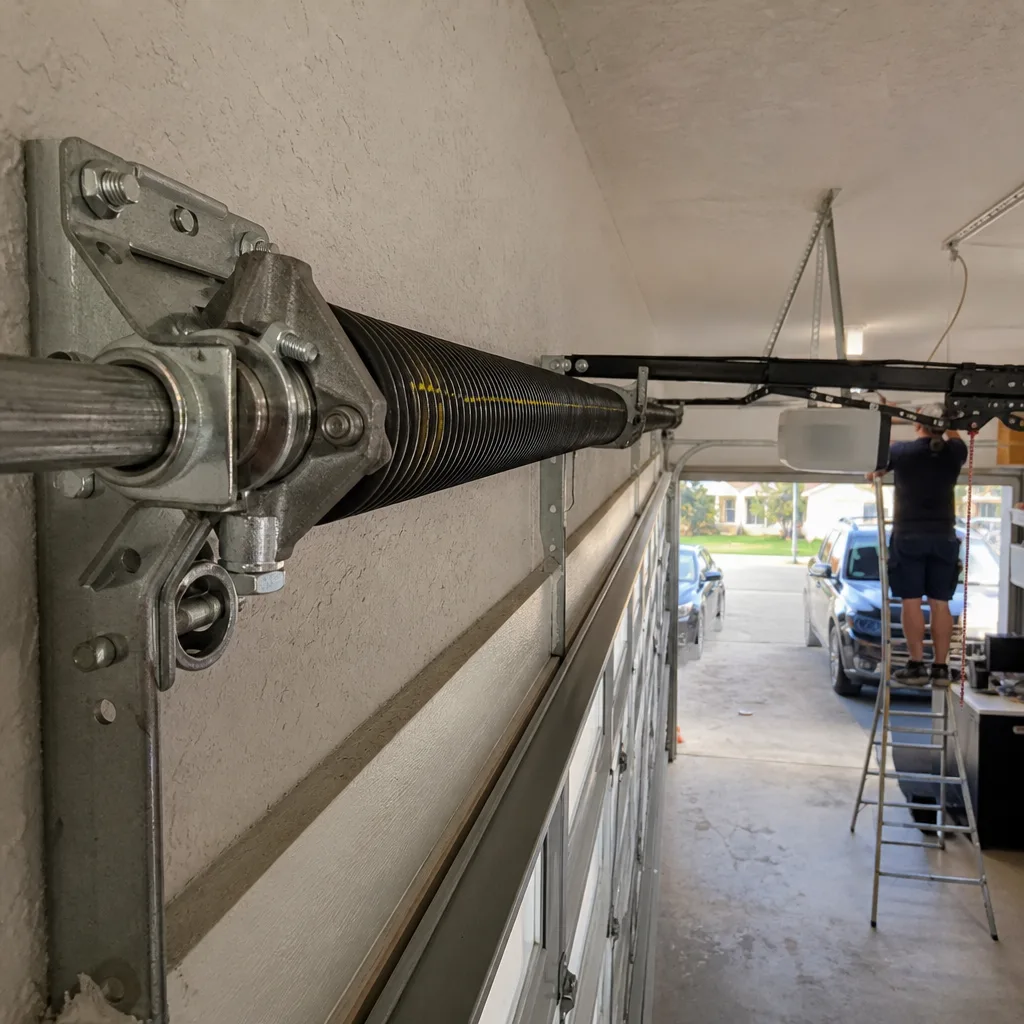
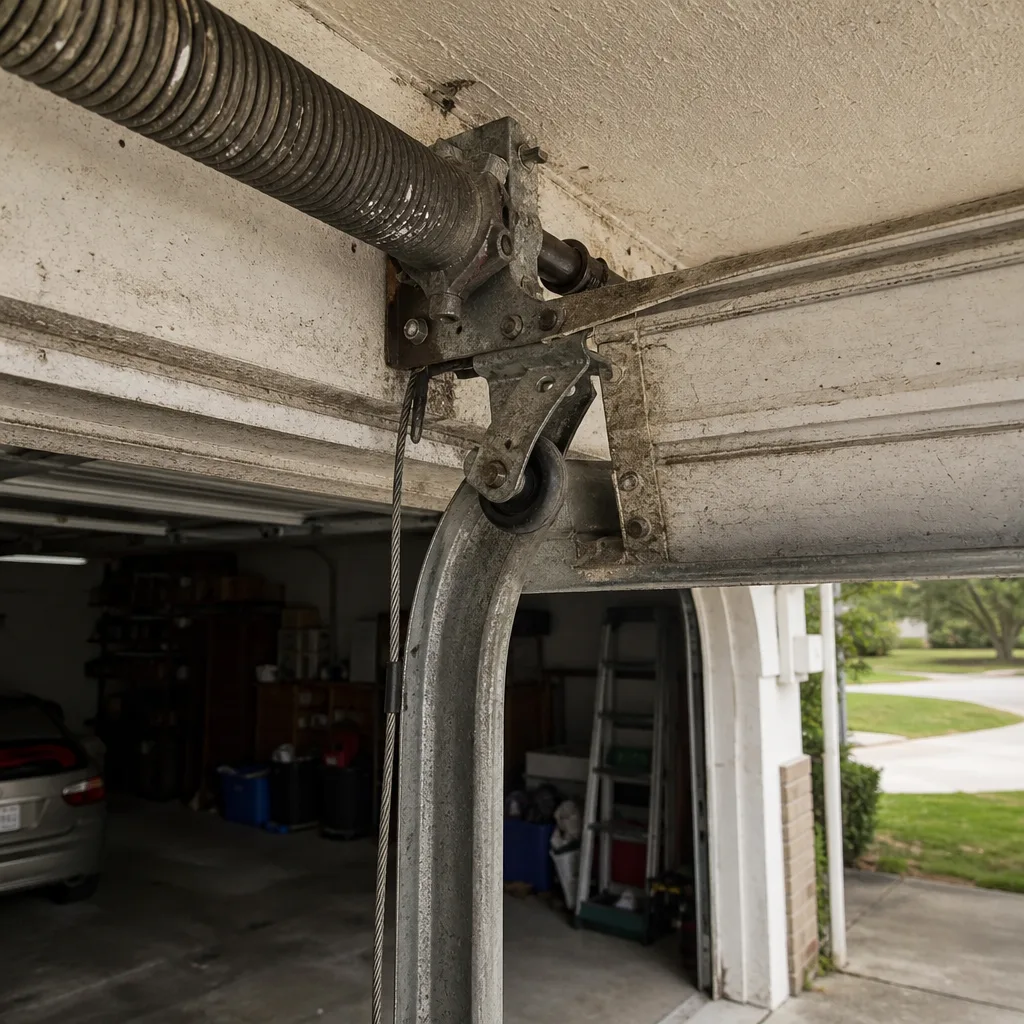
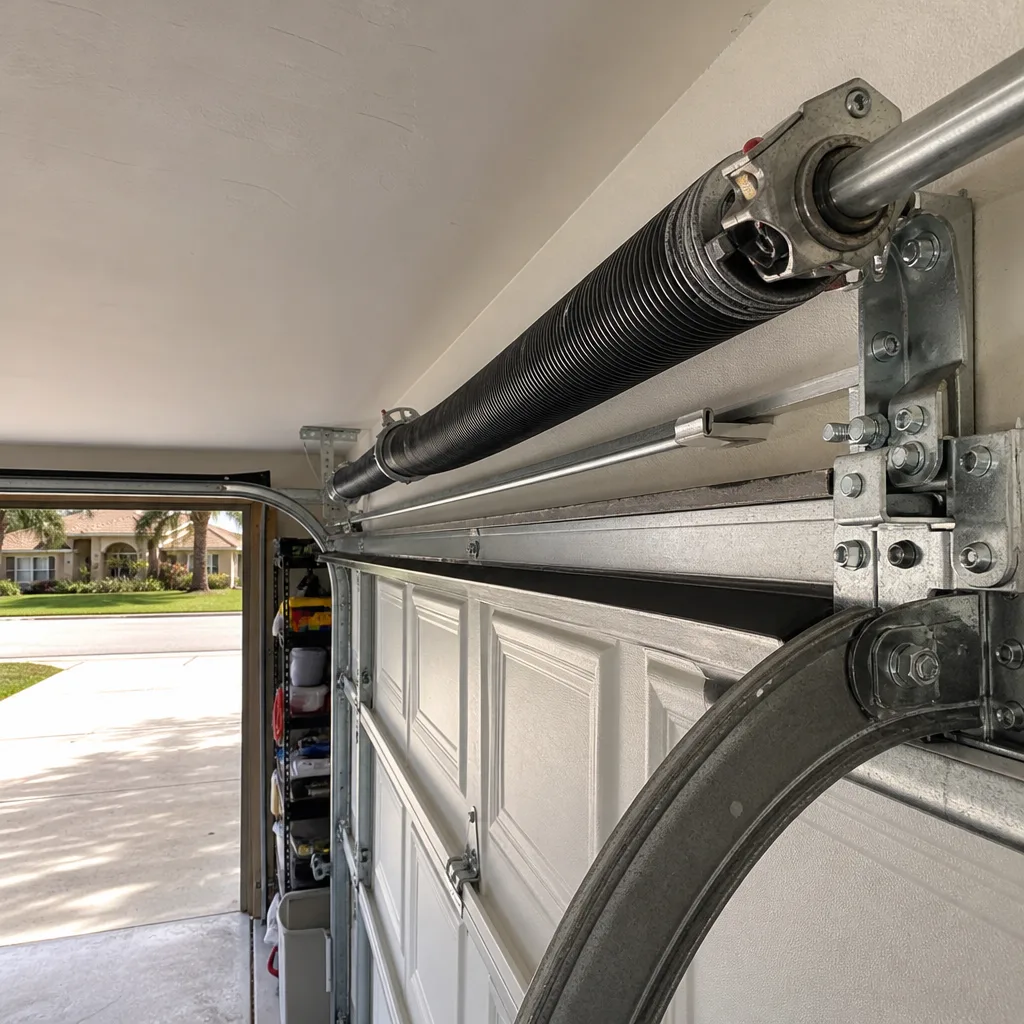
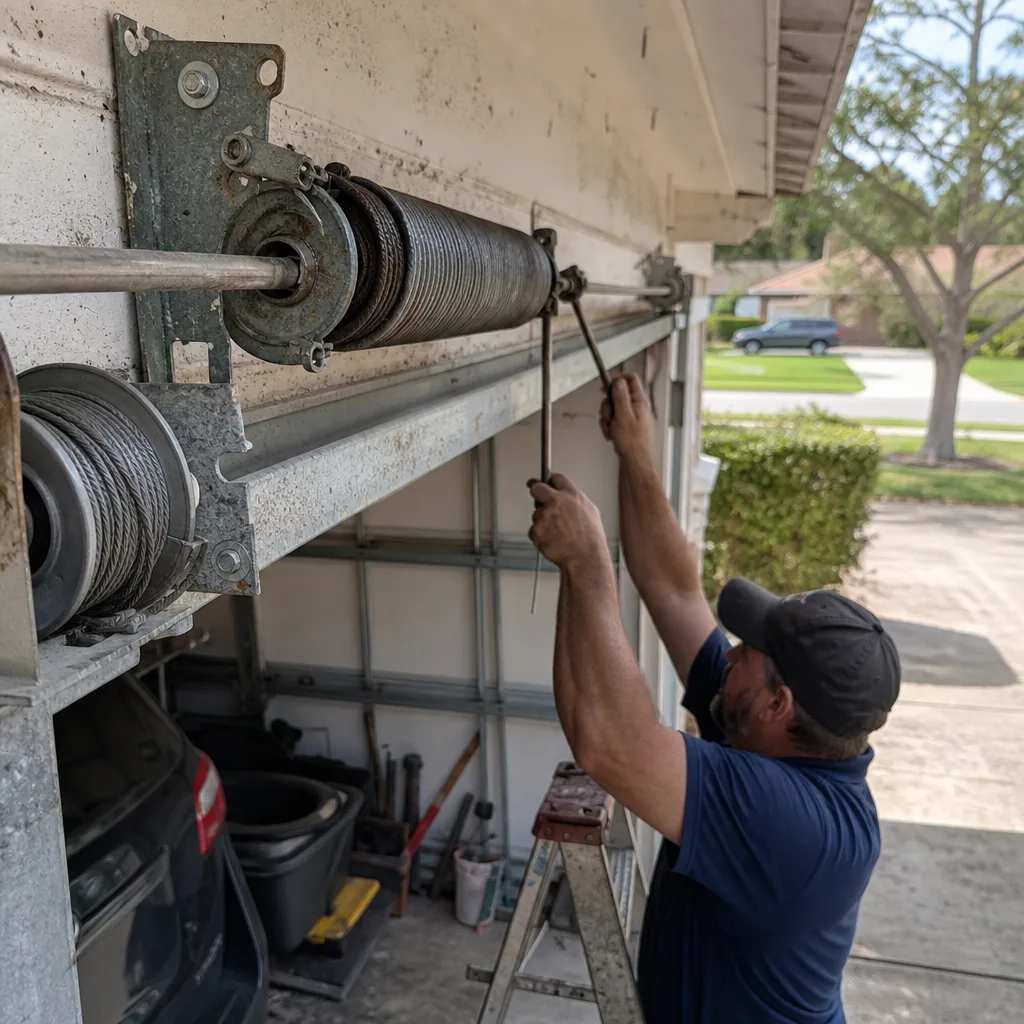
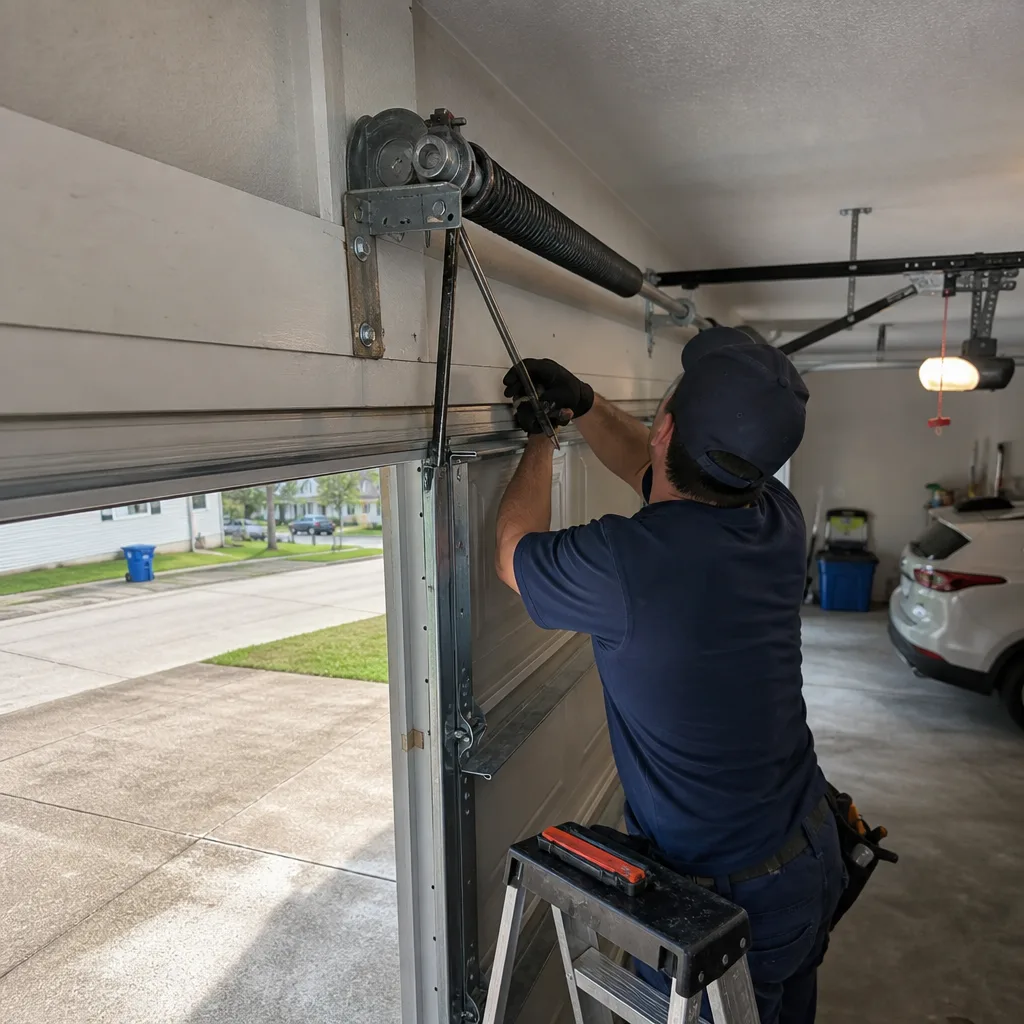
- Check the torsion springs. After a storm, springs under extra tension can crack. Look for visible gaps in the spring coil or a door that’s noticeably heavier to lift manually. Do not attempt to adjust or replace springs yourself; torsion springs are under extreme tension and cause serious injuries every year. This is a job for a trained professional with the right winding tools.
- Test the manual release. Disengage the opener and lift the door by hand. It should move smoothly and stay in place at the halfway point. If it drops or slams, the springs or cables need attention. Re-engage the opener when done.
If any step reveals an issue, have it addressed before the next storm system moves through. The gap between noticing a problem and fixing it is the window where a minor issue becomes a replacement, and in Fort Pierce, that window closes faster than in most places.
Common Mistakes to Avoid
- Buying a door off the shelf without checking the Florida Product Approval. Big-box stores stock doors that meet code somewhere. You need a door that meets code at your specific Fort Pierce address, and the only way to verify that is the FPA sticker and the model-specific approval documentation.
- Assuming “impact rated” means hurricane-proof for your opening size. Impact and wind ratings are specific to door size and installation. A door rated for a single-car opening may not be rated one size up. Size changes change the engineering.
- Skipping the permit to save time or money. Unpermitted installations in Fort Pierce create liability for you, complicate a future home sale, and may void your insurer’s wind coverage. A legitimate contractor pulls the permit as standard practice.
- Ignoring the bottom seal. A $20 bottom seal is the difference between a dry garage and a rusting door, a wet floor, and humid air surging into the house every afternoon in the wet season. Replace it before it’s visibly destroyed.
- Buying a high R-value door for an unconditioned garage in the Florida heat. Overspending on insulation without addressing the actual heat source (radiant sun and air leaks) is the most common waste of money we see in Fort Pierce garage door purchases.
- Waiting to replace garage door springs until they break. Springs have a cycle-life rating. When they’re near the end, the door gets heavy and the opener struggles. Proactive replacement avoids a failure at the worst moment and is safer than working around a door that’s about to let go.
- Hiring a general handyman for the installation and then calling a garage door specialist to fix it. We see this sequence regularly: the handyman installs the door, it fails the inspection, and the homeowner pays for the job twice. Garage doors are all we do, and the difference shows in the wind-load details and hardware selection that a generalist misses.
When to Call a Professional
Call a garage door professional when the problem involves anything under tension, anything structural, or anything that failed inspection. Specifically: broken or suspect torsion springs, a door that came off its tracks, wind damage after a storm, an installation that needs a permit and inspection, or an opener replacement on a door with unknown spring condition. These aren’t DIY-friendly scenarios; the consequences of a mistake range from a door that won’t close to a spring that releases without warning. Palmetto Garage Door Service offers free estimates in Fort Pierce, call (877) 265-2128. We’ll tell you whether repair or replacement genuinely makes sense, and the quoted price is agreed before any work begins.
Frequently Asked Questions
A code-compliant installed garage door in Fort Pierce typically costs between $850 and $2,600, with single doors at the lower end, hurricane-rated and custom doors at the upper end, and material choice (galvanized steel vs. aluminum vs. full-view glass) driving the spread. For detailed pricing factors, see our Garage Door Cost Breakdown: The Fort Pierce Homeowner’s Reference for 2026. Your best move is a free in-person estimate that accounts for your specific opening size, wind zone, and existing hardware condition. Call (877) 265-2128 to schedule one.
Yes, in most of Fort Pierce your garage door must meet Florida Building Code wind-load requirements, which generally means a product with a Florida Product Approval or Miami-Dade Notice of Acceptance for your wind zone. Check the sticker on your existing door and the approval documentation on any replacement before purchase.
Salt aerosol from the Indian River Lagoon and Atlantic Ocean settles on metal surfaces and accelerates corrosion, especially at the bottom section, cut edges, and hardware. Regular fresh-water washing and prompt touch-up of scratches are the most effective countermeasures short of replacing the door with a more corrosion-resistant material.
Yes, garage door replacements in Fort Pierce require a permit and a subsequent inspection to verify wind-load compliance. A reputable installer handles the permit as part of the job; if a contractor suggests skipping it, hire someone else.
Yes, every garage door opener has a manual release, usually a red cord hanging from the rail. But if your door is heavy to lift by hand, the springs need service. A battery backup opener removes the manual work entirely during an outage, which is why we recommend it for every Fort Pierce home.
Palmetto Garage Door Service works on eight major brands including LiftMaster, Chamberlain, Genie, Clopay, Amarr, Wayne Dalton, Craftsman, and Raynor, so there’s rarely a need to call a different company depending on what’s on the door. For installation, we review your existing equipment and recommend what fits your home and the Fort Pierce code requirements. We’ll quote the job upfront, and that number won’t change once the work starts.
The Bottom Line
A garage door in Fort Pierce isn’t a commodity purchase. The wind-load rating, the Florida Product Approval documentation, and the corrosion behavior of the material you choose matter more than the logo on the panel or the price tag. Start with code compliance, then choose a material that’ll survive the salt air, then decide on insulation and opener features based on how you actually use the garage. Do those things in that order, and the door will serve you for years. Skip any one of them, and you’ll be back here sooner than you’d like. If you’re replacing, repairing, or just evaluating, our team is at the Garage Door Installation in Port Saint John page for neighboring-area service details, or reach us directly at (877) 265-2128 in Fort Pierce.
Written by the team at Palmetto Garage Door Service, serving Fort Pierce since 2018.
See the difference
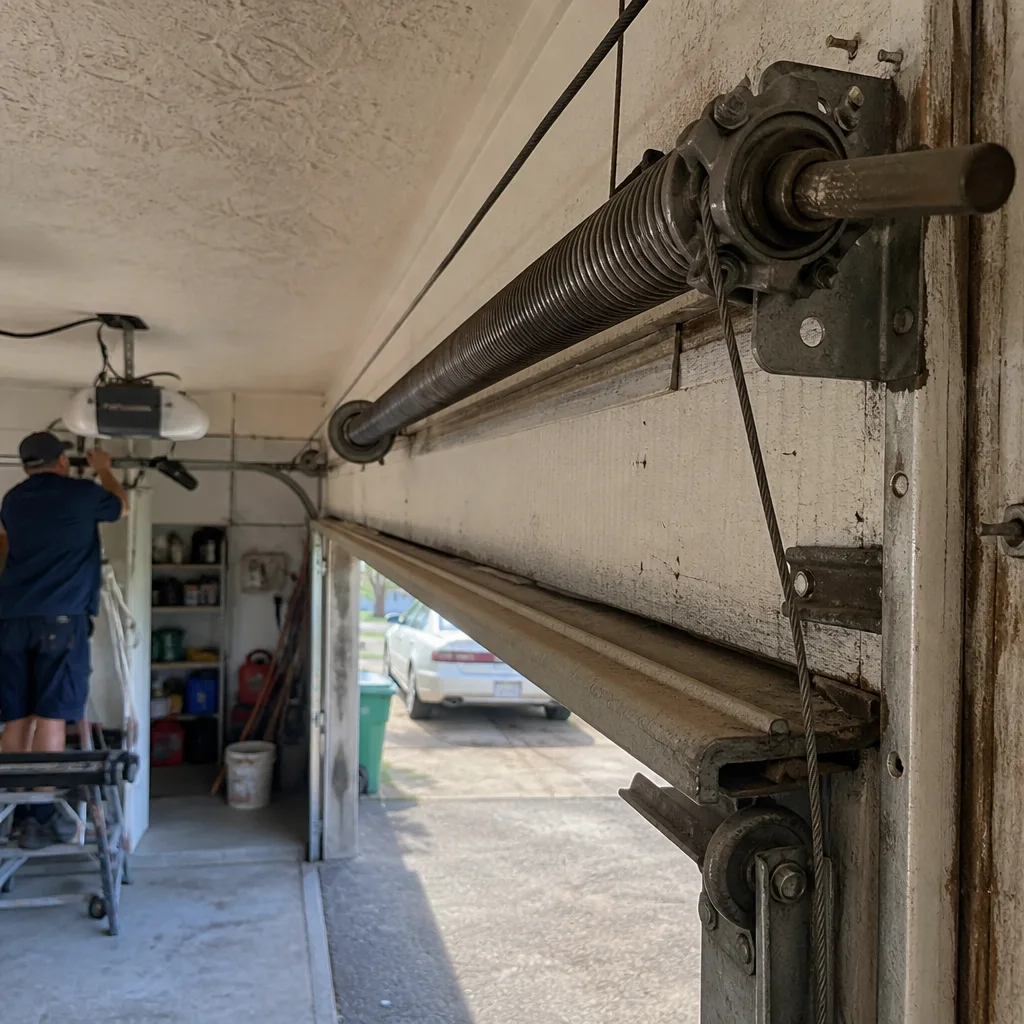 Before
 After
 Before
 After
 Before
 After