Last updated October 31, 2026
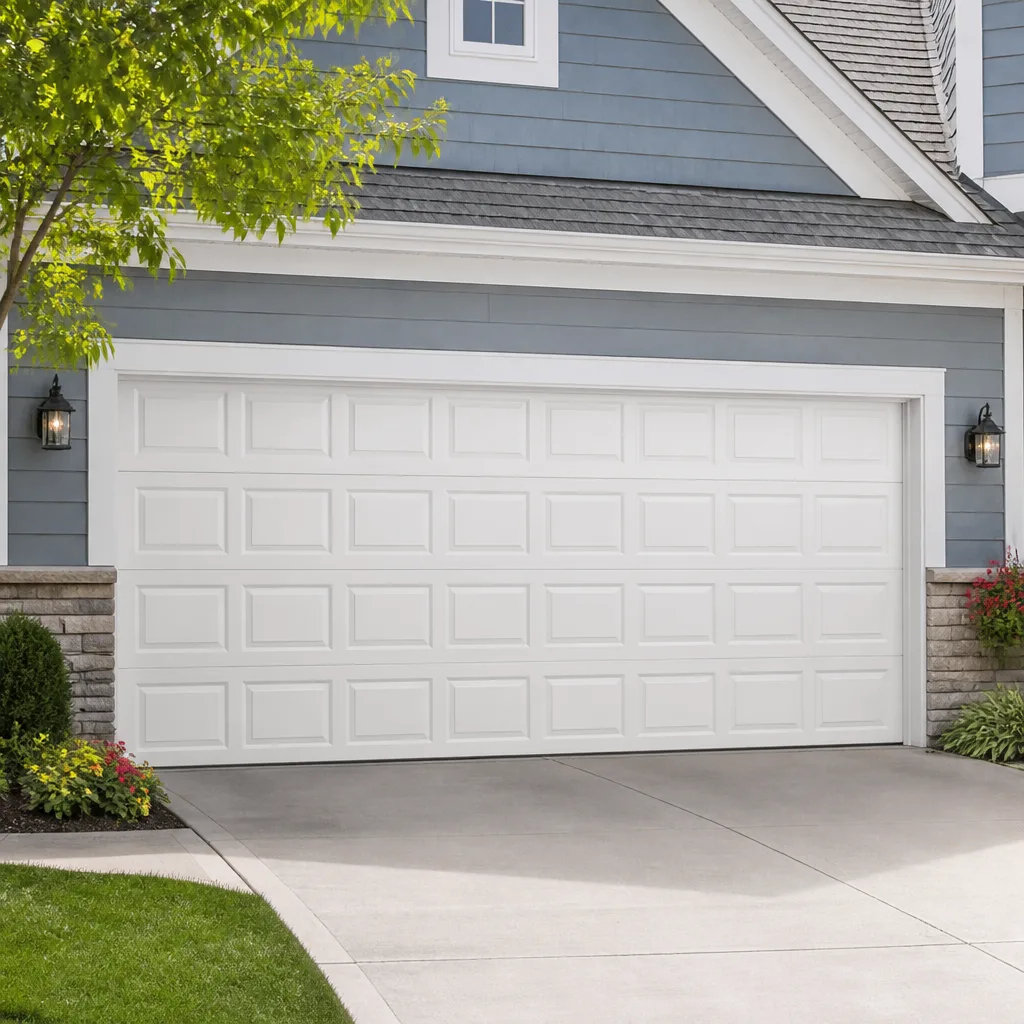 Raised-panel steel
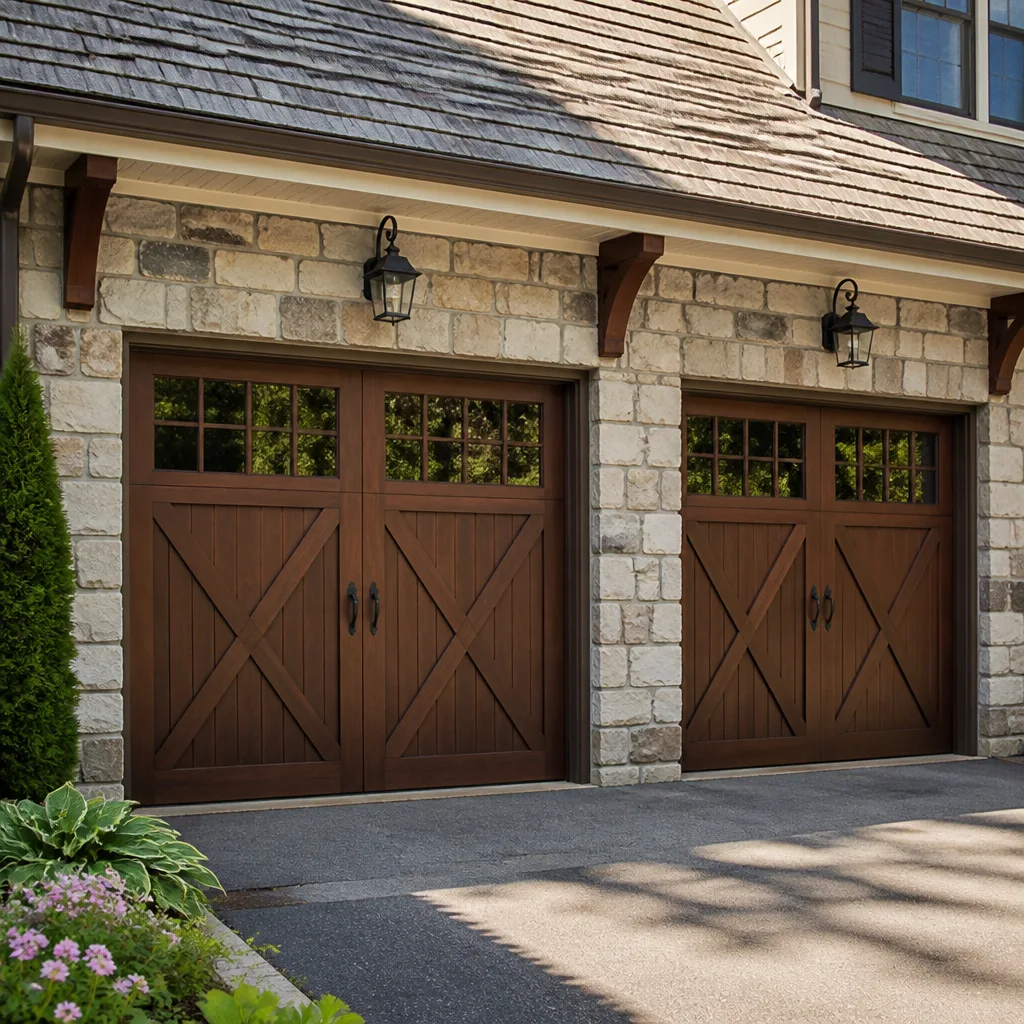 Carriage house
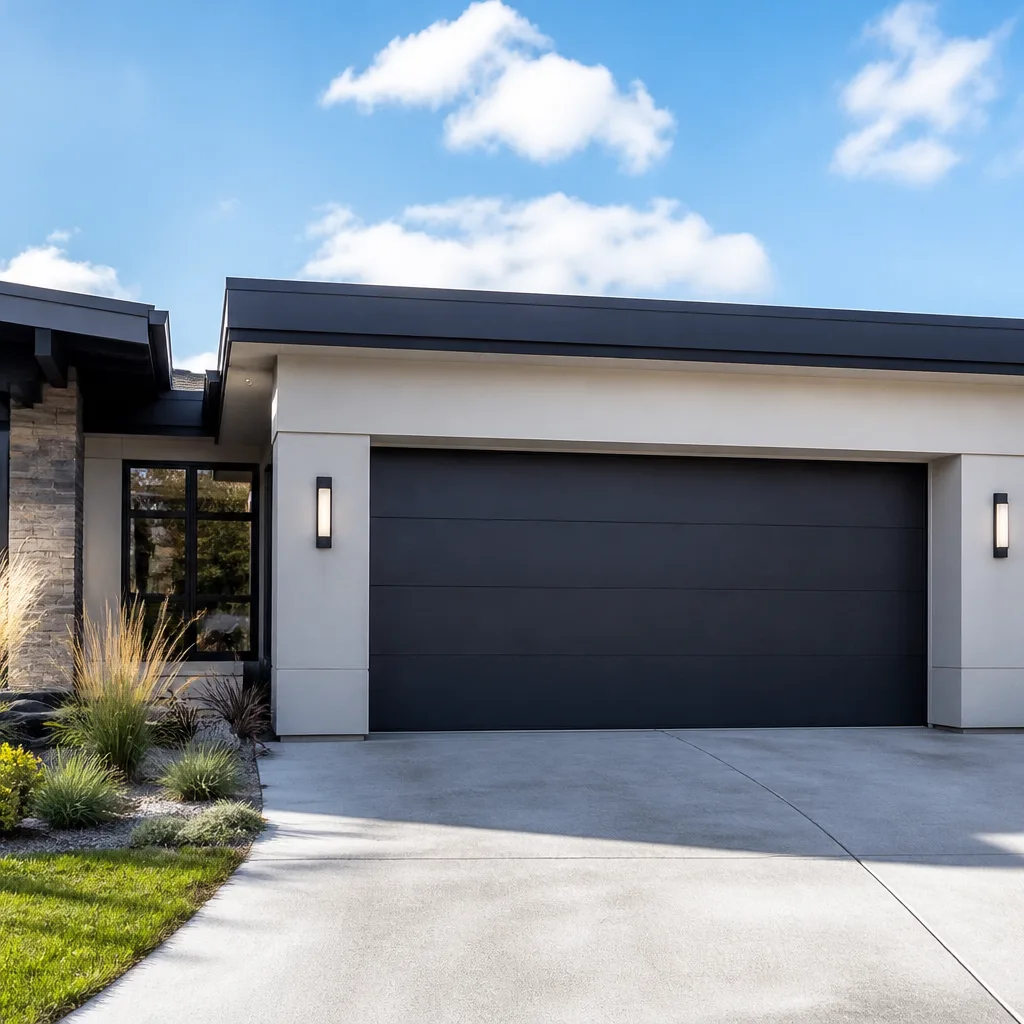 Modern flush
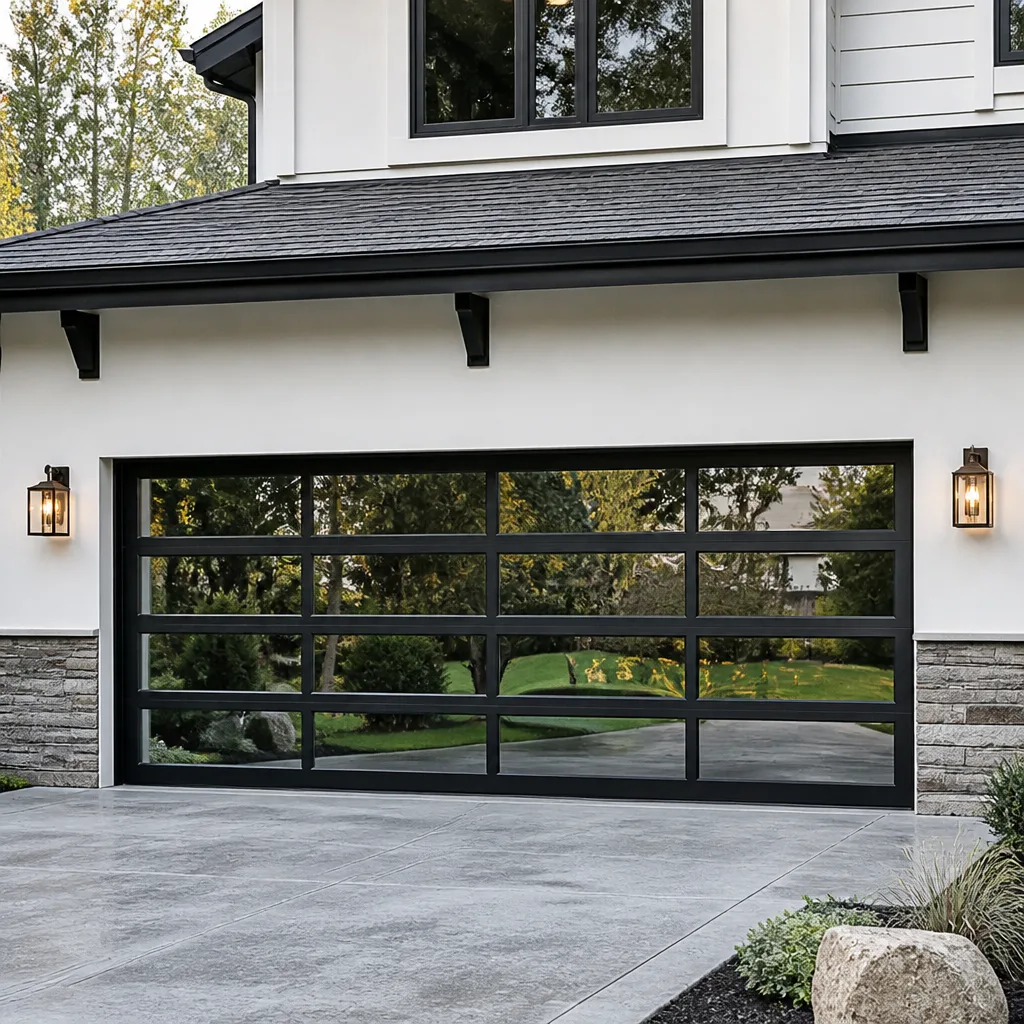 Full-view glass
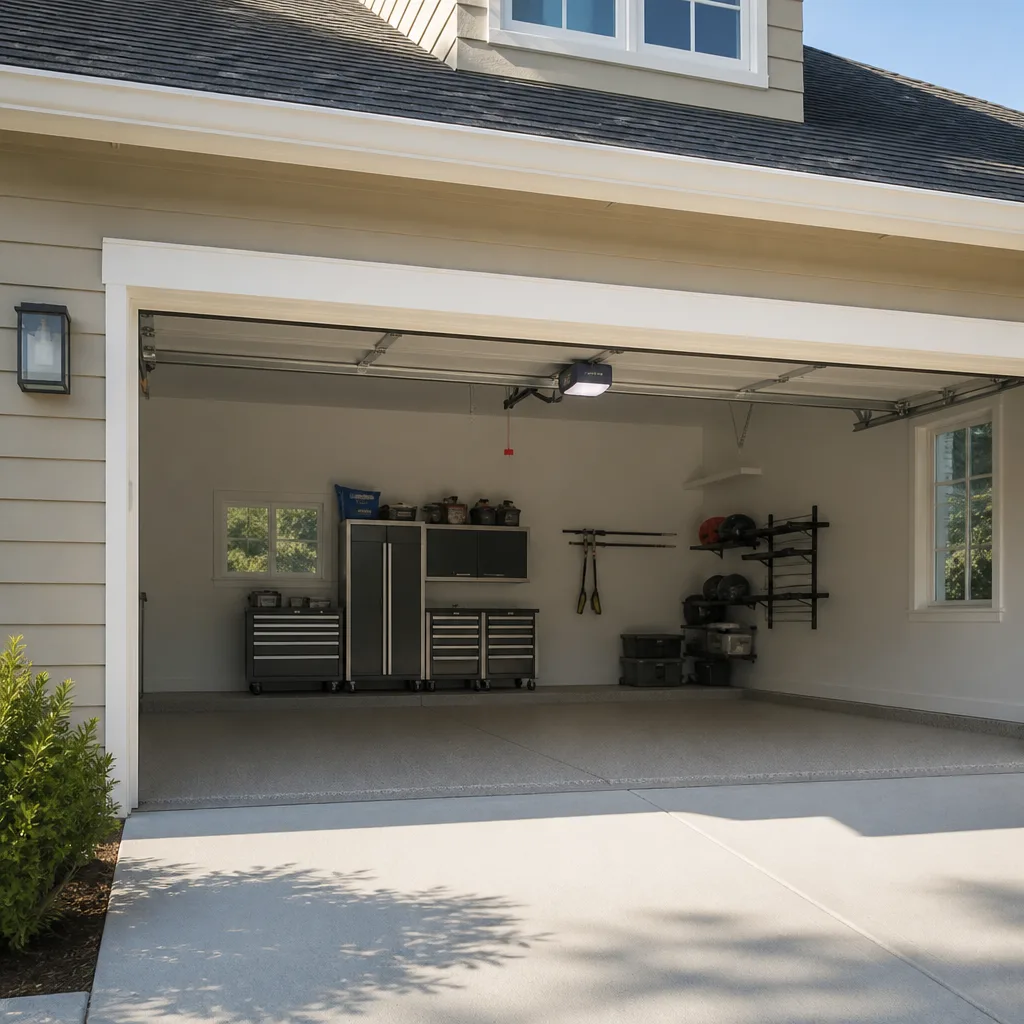 LiftMaster openers
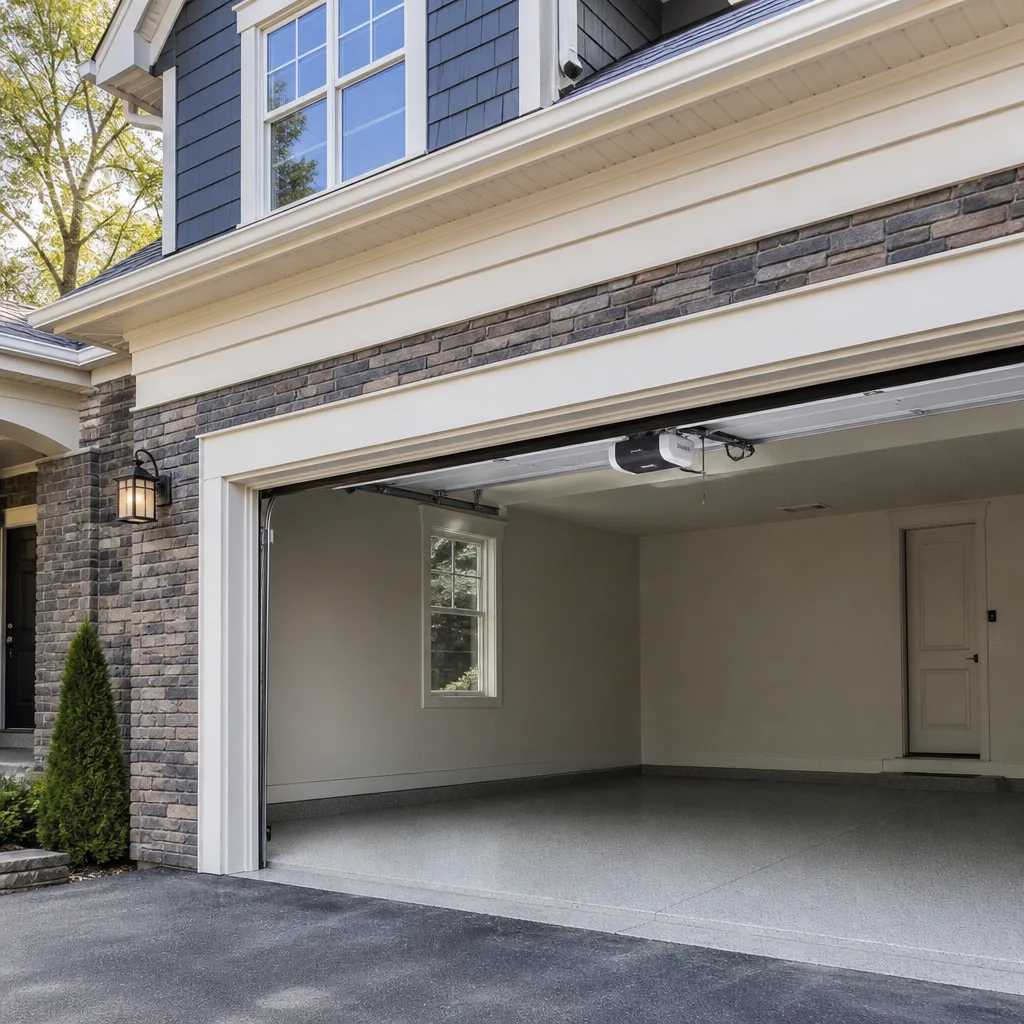 Chamberlain openers
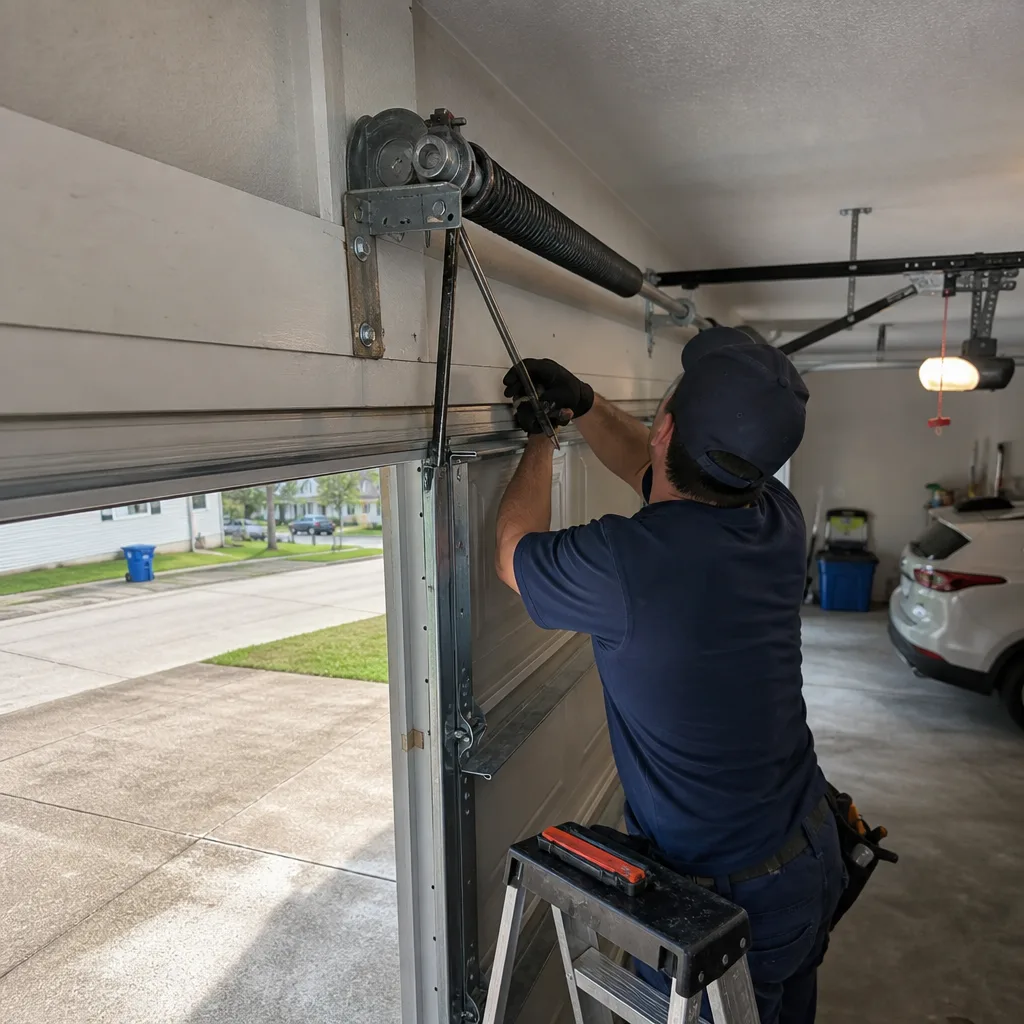
Full 25-point door and opener safety check with every visit - springs, cables, rollers, tracks, and your LiftMaster or Chamberlain opener included
You get a price before we start. It does not change when the truck arrives.
Get your free estimateChoosing the Right Garage Door Brand: A Buyer’s Guide for Fort Pierce
The brand name on a garage door tells you almost nothing useful in coastal Florida. What actually matters is the Florida Product Approval number stamped on the door’s spec sheet, because that number determines whether the door is legal to install, insurable after a storm, and safe for your specific address in Fort Pierce. A premium-brand door without the right wind certification is worth less than a mid-tier door that carries it. This guide walks through what really separates garage door brands in St. Lucie County, how to read Florida’s product approval database, and why the opener brand matters separately from the door brand. For a deeper dive, see The Complete Guide to Garage Door in Fort Pierce.
Quick Answer
The best garage door brand in Fort Pierce is whichever manufacturer offers a model with Florida Product Approval for your specific wind zone and a warranty that doesn’t exclude coastal corrosion. Clopay, Amarr, and Wayne Dalton all make Florida-approved doors at different price points, but the model number matters far more than the logo on the panel. When you call Palmetto Garage Door Service home, we’ll help you sort through approvals, warranties, and actual durability before you spend a dollar.
Styles & brands we work with
Table of Contents
- Why Florida Product Approval Matters More Than Brand
- How to Look Up Any Door Model in Florida’s Approval Database
- How Clopay, Amarr, Wayne Dalton, and CHI Approach Florida Differently
- Material Performance Within Five Miles of the Fort Pierce Coast
- Why the Opener Brand Is a Separate Decision
- Warranty Fine Print That Actually Matters in Florida
- What a Florida-Approved Garage Door Actually Costs in Fort Pierce
- Common Mistakes to Avoid
- When to Call a Professional
- Frequently Asked Questions
Why Florida Product Approval Matters More Than Brand
Florida is the only state that requires garage doors to carry a statewide product approval number before they can be installed on a residential home in a high-wind zone. That approval process involves testing the door to withstand specific wind pressures, measured in pounds per square foot, and confirming that the door’s construction holds up to the missile-impact standards set by the Florida Building Code. In Fort Pierce, which sits in St. Lucie County’s wind-borne debris region, you cannot legally install a garage door without this approval. The brand is secondary to the testing data.
We’ve replaced doors in Fort Pierce where the homeowner bought a “top rated” door online, only to discover during the permit process that the model never went through Florida testing. The door sat in the garage for weeks while the homeowner fought for a refund. That’s the kind of mistake this guide exists to prevent.
Here’s what a Florida Product Approval listing actually tells you:
- Approval number: The FL number, usually formatted like “FL12345-R” for revisions. This is the identifier you look up.
- Design pressure rating: The maximum wind pressure the door can resist, expressed in PSF. Homes closer to the coast in Fort Pierce require higher ratings.
- Impact rating: Whether the door is approved for large-missile impact (what the code calls for in wind-borne debris zones) or only small-missile impact.
- Panel thickness and gauge: The structural spec that determines how the door handles wind load over time.
- Installation requirements: Specific reinforcement methods, jamb brackets, and track systems the approval mandates. Skip these and the door is no longer code-compliant.
Two doors can look identical from the street, but if one carries an FL approval for 175 PSF and the other maxes out at 130 PSF, they are not equivalent products. In Fort Pierce, where hurricane-driven wind speeds regularly exceed what inland counties see, that difference is the whole ballgame.
How to Look Up Any Door Model in Florida’s Approval Database
The Florida Department of Business and Professional Regulation maintains a free, public database of every approved building product in the state, including garage doors. You don’t need an account. You don’t need to be a contractor. You need the manufacturer name and ideally the model number or product approval number. Here’s the step-by-step process we walk through with Fort Pierce homeowners who want to verify a door before buying:
- Go to the Florida Building Code product approval search portal at floridabuilding.org, the official DBPR site.
- Select “Garage Doors” from the product category menu. The system will prompt you to narrow by manufacturer, approval number, or wind speed.
- Type in the manufacturer name (for example, “Amarr” or “Wayne Dalton”) and click search. You’ll see a list of every approved model from that brand.
- Click on the specific model you’re considering. The listing shows the approval status, design pressure rating, impact rating, and any expiration or revision notes.
- Check the “Miami-Dade or Broward NOA” column if it exists. Some Fort Pierce jobs reference Miami-Dade acceptance as a proxy, though Florida Product Approval is the binding standard.
- Print or save the listing. Your installer will need it for the permit application with St. Lucie County.
One thing that surprises people: Florida Product Approval expires and gets renewed. A door model that was approved in 2019 might have a lapsed approval today because the manufacturer stopped paying for the recertification or changed a component in the manufacturing process. Never assume a door is still approved based on old paperwork.
If this sounds tedious, it’s because it is. And it’s part of why we handle this legwork for our Fort Pierce customers. When you’re comparing a garage door installation in Port Saint John quote, the first thing we verify is the FL approval status on every model in the bid.
How Clopay, Amarr, Wayne Dalton, and CHI Approach Florida Differently
The four largest garage door brands with meaningful Florida market share take different approaches to the state’s code requirements. Understanding those differences helps explain why a “premium” brand from one manufacturer might underperform a mid-tier option from another in Fort Pierce specifically.
Clopay treats Florida as a primary design market, not an afterthought. Their wind load products are tested extensively, and many Clopay models carry design pressure ratings well above what most of Fort Pierce requires. Clopay also publishes the clearest documentation for homeowners: model numbers, PSF ratings, and approved track configurations are easier to find than with almost any other brand. Their Hurricane Rated line is recognizable and consistent.
Amarr takes a more segmented approach. Their commercial and high-end residential lines include several Florida-approved models, but their builder-grade options require more careful verification because not every Amarr model is tested for wind-borne debris zones. We’ve seen Amarr doors in Fort Pierce with excellent coastal performance when the right model is specified and installed correctly. The brand’s Classica collection, for example, carries approvals that meet St. Lucie County’s requirements.
Wayne Dalton is interesting because their TorqueMaster spring system operates differently from the torsion springs on most other doors. That affects serviceability. From a Florida standpoint, Wayne Dalton offers approved wind-rated models, but their catalog spans a wide range of quality tiers. The brand is common enough in Fort Pierce that most installers are familiar with it, which matters for future repair access.
CHI (C.H.I. Overhead Doors) is less visible in retail showrooms but well represented in Southeast Florida builder networks. Their wind-rated doors are solid performers, and their model numbering is straightforward. The practical hurdle with CHI is parts availability: fewer local suppliers stock CHI-specific components in the Fort Pierce area compared to Clopay or Amarr parts.
Here’s the comparison that actually matters, stripped down:
- Clopay: Broadest Florida-approved catalog, clear documentation, strong coastal model lineup.
- Amarr: Excellent options at mid and premium tiers, but verify each model’s approval rather than assuming.
- Wayne Dalton: Approved models available, but the TorqueMaster system means service compatibility matters.
- CHI: Quality wind-rated doors, but parts and service familiarity are thinner in St. Lucie County.
None of this is a verdict that one brand is “best.” The correct question is which specific model from which brand meets your wind zone requirements at a price you can live with. That’s a model-level decision, not a brand-level one.
Material Performance Within Five Miles of the Fort Pierce Coast
Fort Pierce’s coastal environment punishes garage doors in specific ways. Salt air accelerates corrosion on steel components. Humidity drives rust into tracks, hinges, and springs. Intense UV exposure fades and breaks down paint finishes, especially on south-facing doors. And summer thunderstorms bring wind gusts that test the integrity of doors that have already been weakened by corrosion. The material you choose determines how the door ages in these conditions.
Steel remains the most common garage door material in Fort Pierce because it offers the best balance of strength, wind resistance, and cost. But not all steel is equal. The key differentiator is the gauge: 24-gauge steel is thicker than 26-gauge or 28-gauge. Thicker steel dents less and resists wind flex better. Just as important is the coating. Galvanized steel with a factory-applied baked-on finish holds up dramatically better than thin electro-galvanized panels that start showing surface rust within three years near the coast.
Aluminum avoids the rust problem entirely, which makes it appealing for homes within a few blocks of the Indian River Lagoon or the ocean. The trade-off is strength: aluminum panels flex more under wind load and dent more easily. Many aluminum doors require a reinforced frame to meet Fort Pierce’s wind requirements, which adds cost. Homes in the Floral Park or Indian Hills neighborhoods, set back from the water but still in the coastal zone, often do fine with properly specified aluminum doors.
Fiberglass is uncommon enough in Fort Pierce that we caution homeowners to think carefully. Fiberglass resists rust and offers some impact flexibility, but UV degradation is a real problem in South Florida. The gel coat finish on fiberglass doors yellows and crazes under constant sun exposure. We’ve seen fiberglass doors on Hutchinson Island look rough after five years despite the material’s theoretical coastal resistance.
Wood composite and solid wood doors are a niche choice in Fort Pierce. They look distinctive and fit older home styles in areas like North Beach or historic downtown. But wood demands high maintenance in this climate: regular sealing, repainting every few years, and vigilance for rot at the panel joints and bottom rail. Wind-rated wood doors also require significant reinforcement to meet code, driving costs up considerably.
In practical terms, most Fort Pierce homeowners end up in a 24-gauge galvanized steel door with a factory finish. It handles the climate well, carries the necessary wind ratings, and doesn’t require unusual maintenance. The material decision usually comes down to steel versus aluminum for coastal properties, and that conversation hinges on how close to salt water you actually live.
If your existing door is failing and you’re weighing garage door repair in Port Saint John against replacement, the material condition should drive the conversation. A rusted-through steel panel isn’t worth patching.
Why the Opener Brand Is a Separate Decision
Homeowners often assume the garage door brand and the opener brand should match. They don’t. The door is the panel system that covers the opening and resists wind. The opener is the motor unit mounted on the ceiling that lifts and lowers the door. These are separate products from separate manufacturers, and neither one cares what brand the other is as long as the opener’s lifting capacity and the door’s weight are compatible.
This matters in Fort Pierce because the opener market has consolidated around a few key names. LiftMaster, Chamberlain, and Genie dominate residential openers, with Craftsman openers still common in older homes. The smart-home integration conversation also runs through these brands: MyQ technology belongs to LiftMaster and Chamberlain’s parent company, which means anyone who wants app-based control needs to understand that ecosystem.
The practical implication is that you can install a Clopay door with a Chamberlain opener, or an Amarr door with a LiftMaster opener, and the system will work fine. What you should care about with the opener is:
- Horsepower: Heavier insulated doors, especially lighter-gauge wind-rated steel doors with reinforcement, need more lifting force. A 1/2 HP opener that worked on an old uninsulated door may struggle or fail early with a heavier replacement door.
- Battery backup: After a storm knocks out power, a battery-backed opener is the difference between getting your car out and being stuck. In Fort Pierce, this is not a luxury feature.
- Drive system: Belt drives run quieter than chain drives, which matters for homes with bedrooms above the garage. Direct-drive and screw-drive options from Genie offer different trade-offs.
- Smart features: MyQ compatibility, camera integration, and rolling-code security are the features that determine whether an opener feels current or dated in 2026.
We carry parts and service knowledge for LiftMaster, Chamberlain, Genie, and Craftsman openers, so the garage door opener repair in Port Saint John side of our work covers the openers most common in St. Lucie County homes. The brand question for openers is simpler than for doors: buy from a manufacturer with local parts availability and a track record of supporting their products for a decade or more.
Warranty Fine Print That Actually Matters in Florida
Garage door warranties are written by lawyers, and the fine print contains several provisions that directly affect coastal homeowners. We’ve helped Fort Pierce customers understand warranty language enough times that these exclusions are worth spelling out explicitly.
Most garage door manufacturers offer a limited lifetime warranty on the door panels, but with coastal exclusions buried in the documentation. Here’s what to look for:
- Coastal exposure exclusion: Some brands shorten their panel warranty from lifetime to 5 or 10 years for homes within a specified distance of salt water, often defined as one to five miles. Read this clause carefully. If you live near the water in Fort Pierce and the warranty drops to 5 years on panels, that’s a real factor in your buying decision.
- Rust coverage limitations: Steel door warranties typically exclude surface rust on the interior or exterior of panels unless the rust perforates the metal. Surface rust is usually considered cosmetic, not structural. Hardware components like springs, hinges, and tracks carry much shorter warranties, often 1 to 3 years.
- Paint and finish warranty: The cosmetic finish on a garage door is typically covered for only 1 to 3 years in coastal environments. Fading, chalkiness, and peeling are often excluded entirely after the first year. This is separate from the structural panel warranty and much stricter.
- Installation requirements: Most warranties are void if the door was not installed per the manufacturer’s specifications. In the Florida context, that includes the wind-load reinforcement details in the product approval. A homeowner-installed door that skipped the required jamb brackets has no warranty protection, even if the panels failed for unrelated reasons.
- Transferability: Some premium brands offer transferable warranties that add resale value; some only cover the original purchaser. If you’re buying a home in Fort Pierce with a recent door installation, ask for the warranty transfer documentation.
Wayne Dalton’s spring system deserves a note here: TorqueMaster springs are housed inside a tube, which changes how spring failure looks and how warranties apply. The spring itself carries a separate cycle-life rating, typically 10,000 cycles for standard springs and up to 25,000 or more for higher-cycle versions. In Fort Pierce heat, where garage temperatures regularly exceed 100 degrees in summer, spring life shortens regardless of what the warranty says.
The honest takeaway: panel warranties are decent, hardware warranties are short, and coastal exclusions are common enough that you should treat the warranty as one input among several, not the deciding factor.
What a Florida-Approved Garage Door Actually Costs in Fort Pierce
Pricing conversations in Fort Pierce get vague because the market varies by neighborhood, material, and installation complexity. But you should have realistic ranges before you start calling for quotes. A basic non-insulated steel door with Florida Product Approval starts around $900 to $1,200 installed. An insulated steel door with a design pressure rating appropriate for coastal St. Lucie County runs $1,400 to $2,400. Premium wood-composite or custom-designed doors in historic districts can push $4,000 and beyond.
Here’s a rough breakdown by material for a standard two-car garage door, installed, with permits where required:
- Basic non-insulated steel: $900 – $1,300
- Insulated steel (polyurethane core): $1,400 – $2,400
- Aluminum frame with glass panels: $2,000 – $4,000
- Wood composite or custom wood: $2,500 – $6,000+
- Opener upgrade (battery backup, smart features): $350 – $700 additional
These numbers assume a standard double-wide opening without unusual structural issues. Homes in older Fort Pierce neighborhoods like Bacon Park or the area near Fort Pierce Magnet School sometimes have non-standard openings that require custom sizing or track adjustments, which adds cost.
When you’re getting quotes, the price should always be quoted and agreed before any work starts. A reputable installer puts the number in writing. If someone gives you a verbal quote and then shows up with a “revised” figure after seeing the job, that’s a red flag. Real estimates account for the specifics up front.
Also keep this in mind: the lowest quote in Fort Pierce often means corner-cutting on wind-load reinforcement or installation details that aren’t visible to the untrained eye. The cost difference between a correctly reinforced Florida-approved door and one that looks similar but skips the mandated brackets might only be a few hundred dollars. The insurance consequence of getting that wrong could be a denied claim after the next hurricane.
Common Mistakes to Avoid
- Buying by brand reputation alone. A “top brand” door that lacks Florida Product Approval for your wind zone is unusable in Fort Pierce. Verify the model number, not just the name on the box.
- Skipping the approval database check. It takes ten minutes to confirm a model’s FL number and PSF rating. Skipping it is how homeowners end up with doors that can’t be permitted.
- Assuming coastal exclusions don’t apply. If you live within a few miles of the Indian River Lagoon or the ocean, your panel warranty may be significantly shorter than the marketing materials suggest. Read the actual warranty document.
- Matching the opener to the door brand. There’s no technical reason a Chamberlain opener can’t run a Clopay door or a Genie opener can’t run an Amarr door. You’re limiting your options for no reason.
- Buying an underpowered opener for a heavier door. Wind-rated insulated doors weigh more. An old 1/2 HP chain-drive opener that worked years ago may burn out quickly with a new heavier door.
- Focusing on panel warranty while ignoring hardware. The panels are the least likely part to fail in the first five years. Springs, rollers, and hinges wear out long before panels do.
- Getting one quote and deciding. Fort Pierce pricing varies enough between installers that a single quote gives you no basis for comparison. Get at least two, and make sure both include the same door model and installation details.
When to Call a Professional
Garage door installation is not a DIY project in Fort Pierce. The wind-load reinforcement requirements alone demand experience and precision: the jamb brackets, track anchors, and reinforcement struts specified in the Florida Product Approval are mandatory, not optional. A door that isn’t installed to those specs can fail during a storm event, and your insurance company can use that installation error to deny a claim.
Call a professional if you’re unsure whether your current door carries valid Florida Product Approval, if you’re replacing a door in a wind-borne debris zone, if your opener is struggling with a heavier door than it was designed to lift, or if you’ve noticed rust, sagging, or unusual noise. A trained eye spots code issues quickly. Palmetto Garage Door Service offers free estimates in Fort Pierce – call (877) 265-2128.
Frequently Asked Questions
The best brand for Fort Pierce is the one with a specific model carrying Florida Product Approval for your wind zone, not the one with the most recognizable name. Clopay, Amarr, and Wayne Dalton all produce approved models for St. Lucie County’s wind requirements, but the model number matters more than the brand. Call (877) 265-2128 for help narrowing down which approved models fit your budget.
Search the Florida Building Code product approval database at floridabuilding.org using the manufacturer name and model number. The listing shows the design pressure rating in PSF and whether the door is approved for large-missile impact, which Fort Pierce homes in wind-borne debris zones require.
Most steel garage door warranties exclude surface rust as cosmetic damage and only cover rust that perforates the panel. Coastal exposure clauses often shorten panel warranties to 5-10 years for homes near salt water. Hardware components like springs typically carry only 1-3 year warranties regardless of location.
No. Garage doors and openers are separate products that don’t need to match. A Chamberlain or LiftMaster opener works with any door brand as long as the horsepower rating matches the door’s weight. Smart features like MyQ run through the opener, not the door.
Expect to pay $900-$1,300 for a basic non-insulated approved steel door, $1,400-$2,400 for an insulated model, and $2,000-$6,000 or more for aluminum, wood composite, or custom designs. Prices include professional installation with the required wind-load reinforcement.
We can, but only after verifying that the specific model carries current Florida Product Approval for your address and that all required reinforcement components are present. Many online purchases arrive without the mandated jamb brackets or with lapsed approvals. Call (877) 265-2128 to check your purchase before it ships.
The Bottom Line
The right garage door for a Fort Pierce home is not a brand decision. It’s a code-compliance decision, followed by a material decision, followed by a warranty decision. Florida Product Approval is the gatekeeper: no approval, no legal installation. Once you’ve confirmed that a model is legal for your wind zone, the practical difference between Clopay, Amarr, Wayne Dalton, and CHI comes down to which one offers the right material, thickness, and finish for your distance from the coast. The opener is a separate choice, and the fine print matters more than the marketing. When you’re ready to sort through the options, Palmetto Garage Door Service is here to help with free estimates and straight answers. Call (877) 265-2128.
Written by the team at Palmetto Garage Door Service, serving Fort Pierce since 2018. Browse more guides & resources.
See the difference
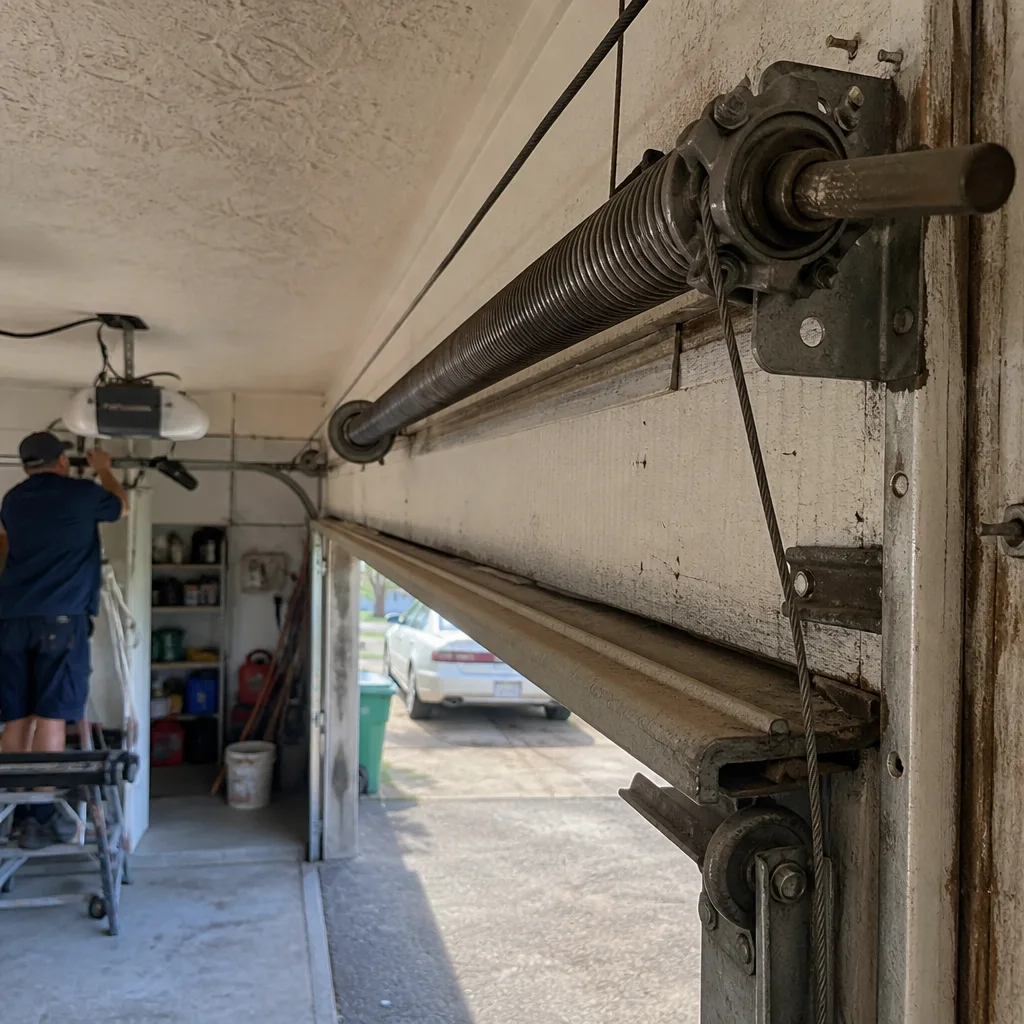 Before
 After
 Before
 After
 Before
 After